
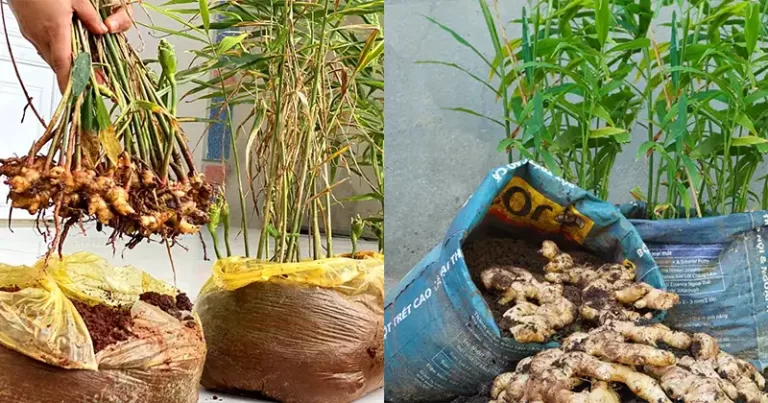
on How to Grow Ginger in Plastic Bags: The Secrets of Many Tubers
Ginger (Zingiber officinale) is a versatile and flavorful spice that is widely used in various cuisines and boasts numerous health benefits. Growing your own ginger at home is not only a rewarding gardening project but also a convenient way to access fresh ginger. An innovative and space-saving method for growing ginger is to use large plastic bags. In this article, we will provide a step-by-step guide on how to grow ginger in plastic bags, from selecting the right materials to harvesting your bountiful ginger crop. We will also share some homemade fertilizer recipes to help you maintain healthy ginger plants.
Materials needed:
Ginger Rhizomes: Start with fresh, healthy ginger rhizomes from a local nursery or grocery store. Look for pieces with well-developed “eyes” or growing points.
Large plastic bags: Choose durable plastic bags with a capacity of at least 5 gallons (18.9 liters). Make sure they have drainage holes or can be easily punctured to allow water to drain.
Potting soil: Choose a well-drained organic potting soil.
Homemade Fertilizers: We will discuss various homemade fertilizer recipes in the following sections.
Watering can or hose: You will need a way to water your ginger plants regularly.
Mulch: Organic mulch helps retain moisture and suppress weeds.
Steps to Grow Ginger in Plastic Bags:
- Selection of ginger rhizomes:
Choose fresh ginger rhizomes with well-defined eyes. These eyes are the small greenish or pinkish buds on the surface of the rhizome.
- Germinating ginger:
Place your ginger rhizomes in a warm, well-lit spot for a few weeks. You can use a seed tray filled with potting soil or simply place them on the ground.
Keep the soil constantly moist and within a few weeks you should see shoots emerging from the eyes of the ginger rhizomes.
- Preparation of plastic bags:
Fill the plastic bags with well-draining potting soil, leaving a few inches at the top to allow room for watering.
Make sure each bag has drainage holes or poke holes in the bottom to allow water to escape.
- Planting ginger:
Gently plant the sprouted ginger rhizomes about 2 inches deep in the potting soil in the plastic bags, spacing them a few inches apart.
Make sure the eyes are facing upwards and cover them with a thin layer of soil.
- Homemade fertilizers:
a. Compost tea: Mix 1 part compost with 5 parts water, let it steep for a few days, then use it to water your ginger plants every few weeks.
b. Banana Peel Fertilizer: Mix banana peels with water to create a nutrient-rich solution. Water your ginger plants with this mixture every 2 to 4 weeks.
c. Eggshell Fertilizer: Crush eggshells and sprinkle them around your ginger plants to provide calcium and deter pests.
- Maintenance and upkeep:
Water your ginger plants regularly to keep the soil consistently moist but not waterlogged.
Protect plants from direct sunlight and strong winds, as ginger prefers filtered light and a humid environment.
Apply organic mulch to help retain moisture and prevent weed growth.
- Harvesting ginger:
Ginger is usually ready to harvest 8 to 10 months after planting.
Gently remove the soil to reveal the rhizomes. Carefully cut or break off the desired amount, leaving some rhizomes in the soil to continue growing.
Conclusion:
Growing ginger in plastic bags is a space-saving and rewarding gardening method that allows you to enjoy a fresh and abundant supply of this versatile spice. With the right materials, proper care, and homemade fertilizers, you can successfully grow ginger at home. Enjoy the satisfaction of harvesting your own ginger and the opportunity to savor its delicious flavor and numerous health benefits. Happy gardening!