
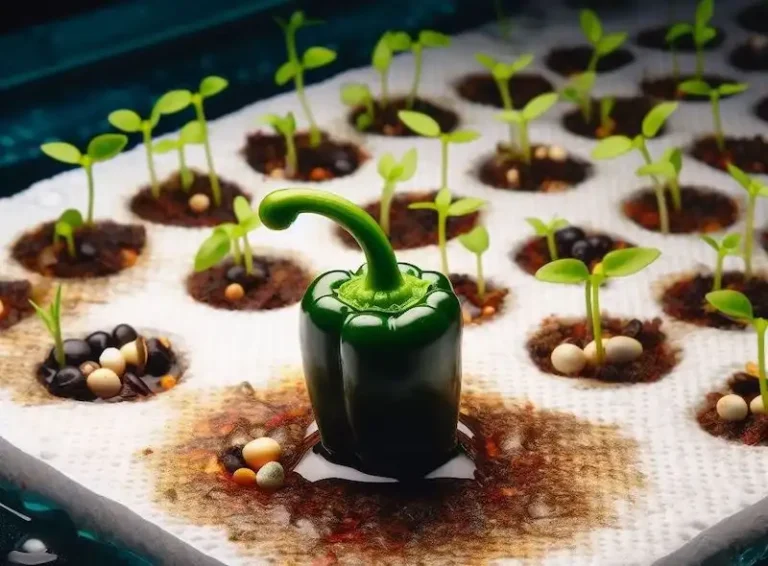
Jalapeño peppers aren’t just a spicy addition to your favorite dishes; they’re also a joy to grow, especially when you venture into soilless growing methods. Traditionally, soil has been the preferred substrate for growing plants, but innovative techniques like hydroponics offer an exciting alternative. With the right approach and care, you can successfully grow these fiery peppers without ever touching a handful of soil.
Understanding Hydroponics
Hydroponics, derived from the Greek words “hydro” (water) and “ponos” (work), essentially means growing plants without soil. Instead, it involves suspending the plant’s roots in a nutrient-rich water solution, providing everything the plant needs to thrive.
Choosing the right configuration
nutrient solution
Container selection : Choose a suitable container that allows roots to grow freely. Consider options such as the nutrient film technique (NFT), deep water culture (DWC), or even a simple water-based setup.
Nutrient Solution : Prepare a balanced nutrient solution suitable for peppers. Commercial hydroponic nutrient mixes or homemade solutions work well. Ensure pH levels remain between 5.8 and 6.5 for optimal absorption.
Start the growth process
germinating jalapeno pepper seeds 1
Germination : Start by germinating jalapeño pepper seeds using the paper towel method or a seed tray. Once germinated, transfer them to a hydroponic system.
Transplanting : Carefully transfer the seedlings into your chosen hydroponic setup, ensuring the roots are submerged in the nutrient solution.
Maintenance and care
Lighting : Provide adequate lighting, as jalapeño peppers require at least six hours of direct sunlight or artificial light per day for healthy growth.
Nutrient Monitoring : Regularly check and maintain nutrient solution levels. Adjust nutrient concentration as plants grow, following the manufacturer’s directions.
Pruning and pollination : Prune plants to promote growth and air circulation. Since hydroponic systems lack natural pollinators, gently shake plants or use a small brush to facilitate pollination.
Troubleshooting
Pests and Diseases : Monitor plants for signs of pests or diseases. Implement preventative measures such as maintaining cleanliness and using organic pesticides if necessary.
Nutrient Deficiencies : Keep an eye out for any nutrient deficiencies by observing leaf discoloration or stunted growth. Adjust the nutrient solution accordingly.
Harvest
Once the jalapeño peppers reach full size and turn vibrant shades of green or red (depending on the variety), carefully pull them from the plant. Be careful not to damage the rest of the plant while harvesting.
harvest jalapeno peppers
Conclusion
Growing jalapeño peppers without soil using hydroponics may seem unconventional, but it’s a rewarding endeavor. Adopting this method opens up the possibility of growing a variety of plants in a controlled environment, providing fresh produce year-round. With the right setup, care, and dedication, you can enjoy a bountiful harvest of spicy jalapeño peppers—all without digging into the soil.