
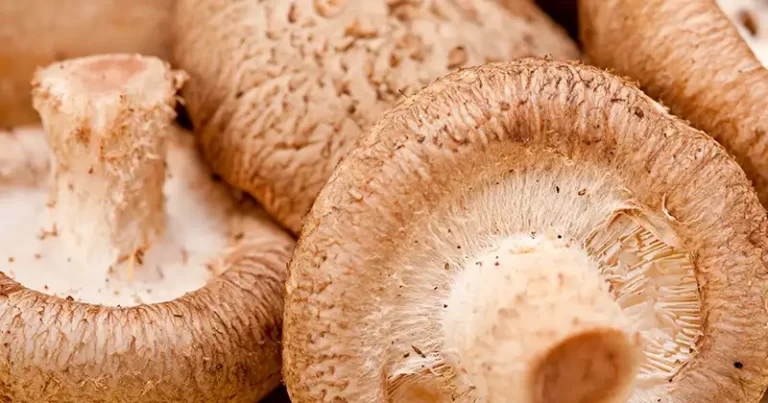
Mushroom cultivation, especially shiitake mushrooms, is an art deeply rooted in Japanese tradition. The mystical forests of Japan have been home to this unique method of cultivating millions of shiitake mushrooms for nearly a thousand years. While Japan may not be the largest exporter of shiitake mushrooms, it has earned a reputation for producing some of the tastiest and highest-quality varieties. In this article, we explore the secrets of this ancient technique and show you how you too can cultivate millions of these delicious mushrooms. Let’s explore what makes this practice so special and how you can embark on your own shiitake mushroom growing journey.
The Art of Growing Shiitake Mushrooms
- Preparation of the raw log
The shiitake mushroom cultivation journey in the forest begins with the meticulous preparation of raw logs. These logs, measuring between 90 cm and 120 cm, are carefully cut and transported to the foot of the mountain. It is here, amidst the tranquility of nature, that the logs are painstakingly drilled, each hole serving as a potential home for the mushrooms. This labor-intensive process, passed down through generations, is also a favorite activity among Japan’s elderly. Each log is typically adorned with about 30 pieces of white, and although modern machinery has streamlined this step, the essence of the tradition is preserved.
- Forest incubation
The logs are then transported to a cool, shaded area for the incubation phase. Over the course of about two weeks, the mushroom mycelium gradually works its way into the wood, creating the ideal conditions for the growth of shiitake mushrooms. It is in this serene setting that the crucial bond between the wood and the mushrooms is established.
- The greenhouse method
In addition to traditional forest cultivation, Japan also uses a greenhouse method for growing shiitake mushrooms. This approach offers various advantages, such as precise humidity and temperature control, allowing year-round production. However, it still takes two years for the mushrooms to reach their peak for harvest. While the controlled environment provides a steady supply of shiitake mushrooms, it cannot replicate the exceptional quality of naturally grown varieties.
- The advantage of natural growth
Naturally grown shiitake mushrooms have a unique advantage because they absorb all their nutrients from the wood. The delicate balance of humidity, air circulation, temperature, and the influence of natural factors like frost, wind, humidity, and temperature contribute to ideal conditions for mushroom growth. However, this method cannot produce the large quantities produced in a controlled environment, resulting in a limited annual harvest. This rarity contributes to their high price and superior quality.
Harvesting and processing
After harvesting, only the finest mushrooms are selected and quickly dried in specialized dehydrators. This method preserves their distinct flavor and nutritional value. Shiitake mushrooms are a rich source of protein, essential minerals, a range of vitamins (including B and C), and minerals such as calcium, iron, aluminum, and magnesium. Once dried, shiitake mushrooms contain only 0.5 grams of fat, 34 calories, and 2.5 grams of fiber per 100 grams. Not only are they nutritious, but their earthy, umami-rich flavor has earned them a place in countless culinary traditions around the world.
Getting Started with Shiitake Mushroom Growing
Now that you know the secrets of growing millions of shiitake mushrooms, you might be eager to try them for yourself. It’s important to note that mushroom cultivation, especially in a forest or natural setting, requires expertise, and following recommended practices is crucial. Be sure to identify the correct mushroom species, adhere to sanitation protocols, and maintain proper growing conditions to avoid potential health risks or undesirable results. For beginners, it’s strongly recommended to seek advice from experienced growers, attend workshops, or consult reliable sources before embarking on your own shiitake mushroom growing adventure. Prioritize safety and education to fully enjoy the benefits of homegrown mushrooms without unintended consequences.
Caution:
While the art of cultivating shiitake mushrooms in Japanese forests is a fascinating and rewarding endeavor, it’s important to exercise caution and adhere to recommended practices if you decide to start your own mushroom farm. Mushroom cultivation, especially in forested or natural settings, requires knowledge and expertise in mycology and farming techniques. Identifying the right mushroom species, following sanitation protocols, and ensuring proper growing conditions are essential to avoid potential health risks or undesirable outcomes. For those new to mushroom cultivation, it’s advisable to seek advice from experienced growers, attend workshops, or consult reliable sources before embarking on mushroom farming. Always prioritize safety and education to enjoy the benefits of home-grown mushrooms without any unintended consequences.
https://youtube.com/watch?v=DdXJLahuv-g%3Fstart%3D2%26feature%3Doembed
The art of cultivating shiitake mushrooms in Japanese forests is a remarkable journey that combines nature’s bounty with human expertise. Whether you’re an experienced mushroom enthusiast or a novice in the world of mushrooms, forest-grown shiitake mushrooms are sure to delight your palate. With knowledge and appreciation of this ancient tradition, you can embark on your own shiitake mushroom-growing adventure. Enjoy the unique flavors, nutritional benefits, and cultural heritage that accompany this remarkable culinary endeavor.