
Growing pumpkins in containers can be a rewarding and enjoyable experience, allowing you to harvest your own fresh pumpkins even if you have limited space. Here’s a step-by-step guide to help you successfully grow pumpkins at home in containers:
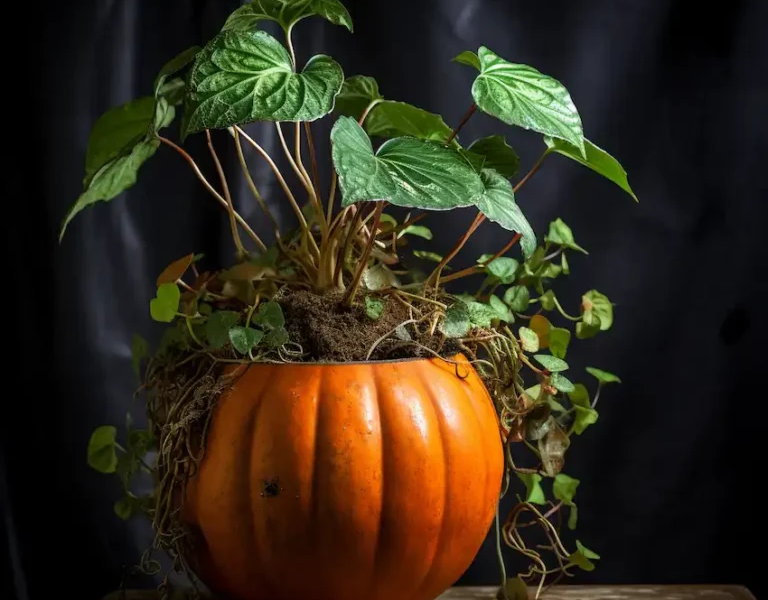
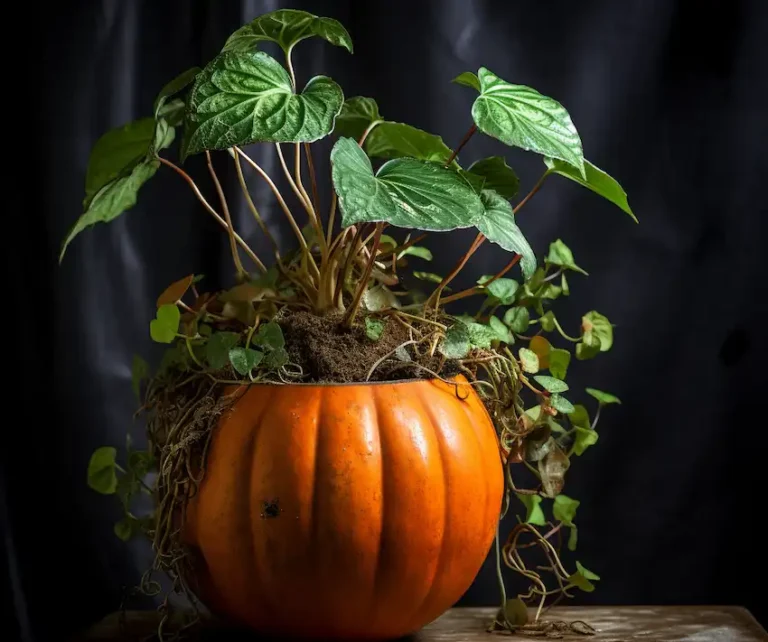
pumpkin plant
Choosing the right container:
Size: Choose a container that is at least 15 gallons in volume, allowing enough room for the pumpkin’s roots to spread.
Depth: Ensure a depth of at least 18 inches to accommodate the deep root system of pumpkin plants.
Drainage: Ensure adequate drainage by drilling holes in the bottom of the container to prevent waterlogging.
Choosing the right pumpkin variety:
Container-Suitable Varieties: Choose compact or bushy varieties like ‘Small Sugar,’ ‘Baby Boo,’ or ‘Jack Be Little,’ which are suitable for growing in containers.
Consider space: Some varieties require more space, so choose a variety that fits the size of your container.
Soil and planting:
pumpkin seeds on a plate
Soil Mix: Use a rich, well-drained potting soil with organic matter. Mix in compost or aged manure to add nutrients.
Planting Seeds: Sow 2 to 3 pumpkin seeds about 1 inch deep in the center of the container. Once they have sprouted, thin to the healthiest seedling.
Spacing: If planting multiple seeds, space them at least 18 to 24 inches apart.
Watering and sunlight:
Watering: Keep the soil constantly moist, but not waterlogged. Water thoroughly, allowing the soil to dry slightly between waterings.
Sunlight: Make sure your container is placed in a location that receives at least 6 to 8 hours of sunlight per day for optimal growth.
Maintenance and upkeep:
Support: Place a trellis or support structure near the container as the vines grow. You can gently train the vines to climb the support, providing better air circulation and preventing rot.
Fertilization: Apply a balanced slow-release fertilizer or half-strength liquid fertilizer every 2-3 weeks.
Pruning: Cut off excess foliage and small fruits to redirect the plant’s energy toward the main pumpkin.
Pest and disease control:
Pests: Regularly inspect for pests such as aphids, squash bugs, or cucumber beetles. Use organic insecticidal soap or neem oil for control.
Diseases: Powdery mildew can affect pumpkins. Ensure good air circulation around the plant and use fungicides if necessary.
Harvest:
Timeline: Pumpkins typically ripen in 75 to 100 days, depending on the variety.
Signs of ripeness: Look for a deep, even color, a hard rind, and a dried stem. The pumpkin should sound hollow when tapped.
Harvest: Use pruning shears to cut the pumpkin from the vine, leaving a few inches of stem attached.
a box of pumpkins
Growing pumpkins in containers requires attention to detail, including soil quality, watering, sunlight, and pest control. With proper care and maintenance, you can enjoy the rewarding experience of harvesting your own pumpkins at home, even in limited space.
Remember that gardening often involves trial and error, so don’t let setbacks discourage you. Enjoy the process, and each attempt will provide valuable insights for your future success.