
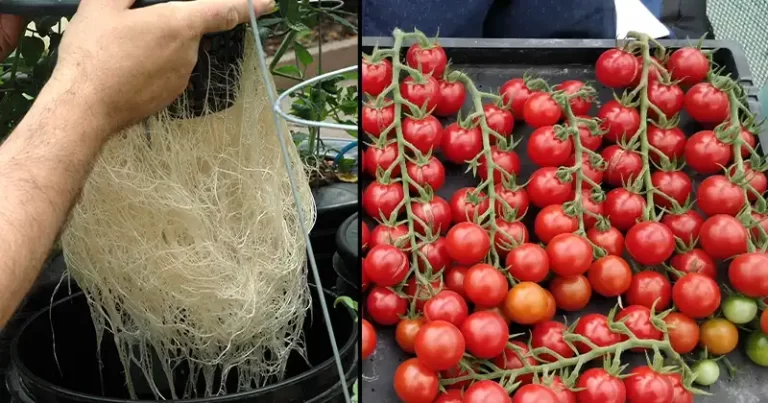
Tomatoes are a popular and versatile vegetable in the culinary world, used in a variety of dishes from salads to sauces. While traditionally grown in soil, you can also successfully grow tomatoes without soil, using hydroponics or other soilless growing methods. In this article, we’ll explore how to grow tomatoes without soil , offering a comprehensive guide for both beginners and experienced gardeners.
Benefits of Growing Tomatoes Without Soil
Before getting into the details of growing tomatoes without soil, it is important to understand the benefits of this approach:
Better control: Soilless cultivation allows precise control of nutrient intake, pH levels, and environmental conditions. This leads to healthier plants and higher yields.
Reduced risk of pests and diseases: Soilless systems are less susceptible to soil-borne pests and diseases, providing a more hygienic growing environment.
Space efficiency: Hydroponic or soilless systems can be installed in limited spaces, making them suitable for urban gardeners or those with small gardens.
Faster growth: Soilless systems often lead to faster growth and earlier harvests because plants receive nutrients directly through their roots.
Now let’s move on to the steps for growing tomatoes without soil.
- Choose tomato varieties
Select tomato varieties that are well-suited to hydroponic or soilless growing. Indeterminate varieties, such as cherry, beefsteak, or Roma tomatoes , are popular choices. Be sure to choose disease-resistant varieties to minimize risks.
- Hydroponic systems
There are different hydroponic systems to choose from. The most common ones for growing tomatoes include:
Deep Water Culture (DWC): In this system, tomato plants are suspended in a nutrient-rich water solution with their roots submerged.
Nutrient Film Technique (NFT): This system involves a continuous flow of nutrient solution over a narrow, sloping channel where the roots of tomato plants hang.
Drip System: Drip systems provide a controlled release of nutrient solution to plant root zones through a network of tubing and emitters.
- Choose a growing medium
Although hydroponic systems do not use soil, they do require a growing medium to support the plants and ensure stability. Common choices include:
Coconut fiber
Perlite
Rock wool
Hydroton (expanded clay granules)
Select a substrate that retains moisture while allowing good aeration and root support.
- Maintain appropriate nutritional solutions
In hydroponic systems, essential nutrients are supplied to plants via nutrient solutions. These solutions typically contain macronutrients like nitrogen, phosphorus, and potassium , as well as micronutrients. Monitor the pH level of the nutrient solution (usually between 5.5 and 6.5 ) and adjust it as needed to ensure optimal nutrient absorption.
- Provide adequate light
Tomatoes need plenty of light to thrive. If you’re growing them indoors, invest in high-quality LED grow lights that provide the spectrum needed for plant growth. The recommended light cycle is generally 14 to 16 hours per day.
- Maintain proper temperature and humidity
Tomatoes thrive in temperatures between 70 and 75°F (21 and 24°C) during the day and slightly cooler at night. Humidity levels should be around 70% at the seedling stage and gradually decrease as the plants mature.
- Size and Support
As your tomato plants grow, they can become heavy. To ensure good support, use trellises, stakes, or tomato cages . Prune your plants regularly to remove lower leaves and encourage the growth of fruit-bearing upper branches.
- Pest and disease management
Although hydroponic systems reduce the risk of soil-borne pests and diseases, you still need to remain vigilant. Keep your growing area clean, monitor for common tomato pests, and apply appropriate treatments if necessary.
- Pollination
Tomato plants may require hand pollination in a hydroponic system, as the lack of wind and insects can hinder natural pollination. Gently shake the plants or use a small brush to transfer pollen between flowers.
- Harvest
When your tomatoes reach the desired ripeness, gently pull them from the vine. Be careful not to damage the plant in the process.
Growing tomatoes without soil is a rewarding endeavor that can yield bountiful and healthy harvests. With the right tomato variety, a suitable hydroponic system, and careful attention to environmental factors, you can enjoy delicious, home-grown tomatoes year-round. Whether you’re an urban gardener or simply looking to experiment with new growing methods, growing tomatoes without soil is an exciting and sustainable way to cultivate this beloved fruit.