
Aloe vera is renowned in the world of natural health and skincare for its healing, soothing, and cooling properties. The Egyptians even called aloe “the plant of immortality”! Rich in nutrients, enzymes, and antioxidants, aloe vera offers many benefits to humans when applied topically or ingested, including increased hydration, digestion, cell regeneration, wound healing, and much more. What if I told you that aloe vera also provides many of these benefits to the plant? It’s real! You can use aloe vera as a natural “fertilizer” to feed other plants!
Read on to learn how to make homemade aloe vera fertilizer. We’ll discuss the benefits of aloe vera and how to use it in your garden as a soil drench or foliar spray. You can also use it for houseplants! Homemade aloe vera fertilizer can be made quickly and easily using fresh aloe vera leaves or aloe vera powder. The result is a gentle yet effective superfood solution your plants will love.
Benefits of Using Aloe Vera as a Fertilizer
Aloe vera (A. barbadensis) is absolutely nourishing. Research shows that aloe vera contains over 75 beneficial compounds, including amino acids, antioxidants, complex carbohydrates, calcium, magnesium, zinc, vitamins A, C, E, B, and more. When mixed with a homemade fertilizer, your plants receive a gentle yet powerful nutrient boost. Aloe vera fertilizer can promote seed germination and rapid root development, improve cellular strength, and contribute to overall plant health, growth, and vitality!
In fact, aloe vera is so effective at promoting growth that it is often used as a natural rooting hormone to help plant cuttings develop new roots. To use aloe vera as a rooting hormone, you can: 1) soak the cut stems in pure aloe vera gel and plant, 2) soak the cut stems in aloe vera fertilizer (which we will discuss today) for 6-12 hours before planting, or 3) soak the potting mix/soil in aloe vera fertilizer.
Greater resilience
Aloe vera also contains enzymes and phytohormones that help reduce transplant shock and increase plant resistance to drought, stress, and disease. For example, the high levels of acemannan and saponins found in aloe both have antibacterial, antifungal, and antiviral properties. This helps protect the plant from harmful microorganisms, fungi, yeast, mold, or pathogens such as rot.
Finally, the high level of salicylic acid naturally present in aloe vera plays an important role in its healing powers! You’ve probably heard of salicylic acid before; it’s often found in skin care products to help fight blemishes. Similarly, salicylic acid boosts plants’ immune systems (called the systemic immune response, or RAS), helping them fight disease.
All of these factors combine to produce happier, healthier plants that are more resistant to disease, pest pressure, and environmental stressors such as transplants, drought, cold, heat, soil pollutants, and more. Resilient plants require less hassle and frustration, so you’ll be happier too!
Using Aloe Vera Fertilizer in the Garden
- What type of aloe vera should we use as fertilizer? It’s best to use Aloe Vera whenever possible; the only edible and most medicinal variety of Aloe Vera. This is the growth we’re showing in this article. Although it’s not edible, aloe vera has many medicinal properties and is often sold as a topical remedy for burns, insect bites, and other skin conditions. It’s easy to confuse the two, so check out this guide to understand the difference. I suspect it’s fine to water the plants with an A. chinesis solution, but I would avoid spraying it on the edible parts of the plants.
How to Make and Use an Aloe Vera Foliar Spray
Hybrid foliar spraying
Just like an earth potion, you can make an aloe vera leaf spray using fresh aloe vera leaves, bottled pure aloe vera gel, or powder mixed with water. Use the same dilution ratio: about 1/4 cup of pure aloe vera gel or 1/8 teaspoon of dried aloe vera powder to 1 quart of water. Mix the powder and water directly in the spray bottle and shake vigorously to blend.
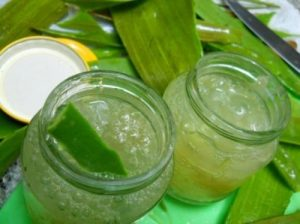
As you can imagine, using whole aloe leaves can easily clog sprayers. Therefore, you should remove the skin and use only the inner gel portion of the leaf. Watch the video below to learn how to easily extract gel from aloe vera leaves. Summary: Cut the ribs along the outer edge of the leaf, gently peel off the top (flatter) skin, and remove the clear gel inside. First, mix the gel well with water in a blender (stir well!), then dilute with more water in a nebulizer if necessary.
Application of Aloe Vera Foliar Spray
Foliar sprays (both types) are best applied early in the morning or in the evening after sunset. Avoid wetting the leaves when the plants are in direct sunlight, as this increases the risk of sunburn or leaf burn. Finally, give the sprayer filled with aloe vera fertilizer a good shake—and that’s it! Wet the leaves thoroughly until they drip dry. Work hard to get the undersides of the leaves. Use weekly for plants that need special attention or monthly for general garden maintenance. You can also add a little aloe vera powder to other foliar spray treatments, such as when applying neem oil.