
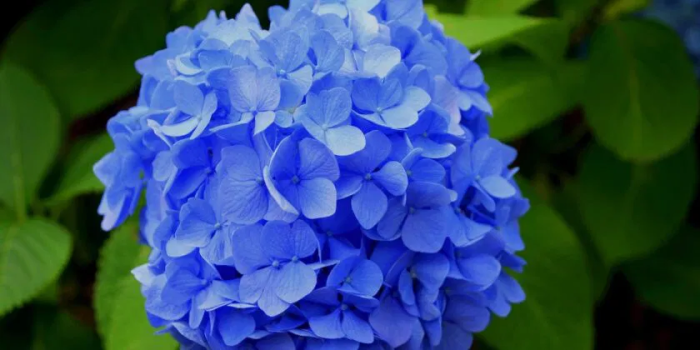
Decorating balconies and gardens has never been easier (and cheaper). Let’s take a look at the most recommended method for growing vigorous, blooming hydrangeas.
Much appreciated and highly valued for adding a touch of color to outdoor spaces, hydrangeas are generous plants. They also seem very strong and extremely adaptable. Easy to grow in the garden but also in pots. They like shade, but are also very resistant to sun. In short, to fill our “green corner”, hydrangeas are perfect. With a few little growing secrets, we can always have beautiful and large hydrangeas. For example, by practicing certain methods to stimulate flowering, or tips, during the summer, to prevent them from drying out.
How to propagate plants for free?
You don’t need to buy a lot of plants to decorate an entire garden. With a little practice, you can propagate hydrangeas from cuttings in no time. Cuttings should be taken in summer, particularly between mid-July and the end of August. During this period, the chances of success increase.
How to do it? Simply choose a branch with leaves (one that doesn’t bear flowers). Then, remove the tip of one branch (cut it about 10-15 cm). Next, remove the leaves closest to the cut. The top leaves, meanwhile, will be cut in half horizontally. At this point, we’re ready to cut.
Hydrangeas that are always beautiful, large and free, here’s how
In a small pot, add soil suitable for new crops (containing peat and drainage material). Moisten the soil before planting the hydrangea.
Insert the cutting and you’re done. The new hydrangeas will take a few days to root. In the following days, check the health of the leaves (they should obviously not wrinkle), despite any initial limpness. Place the cutting in a cool, shady spot. Covering the cutting with the bottom of a plastic bottle could be a real asset to stimulate the plant’s growth, creating a greenhouse effect. In this case, consider making small holes in the bottle. After a few weeks, it’s time to test. Gently pull on the twig to see if it resists. If the response is positive, it means the roots are gaining strength.
Another interesting technique is the water bath. The cutting should be stripped of its outer leaves, while the upper leaves should always be cut in half horizontally. Then, immerse the branch (at least 10 cm long) in a container filled with water.
To prevent mold growth, it is advisable to change the water frequently. Once the roots have emerged, the cutting should be potted or buried.