
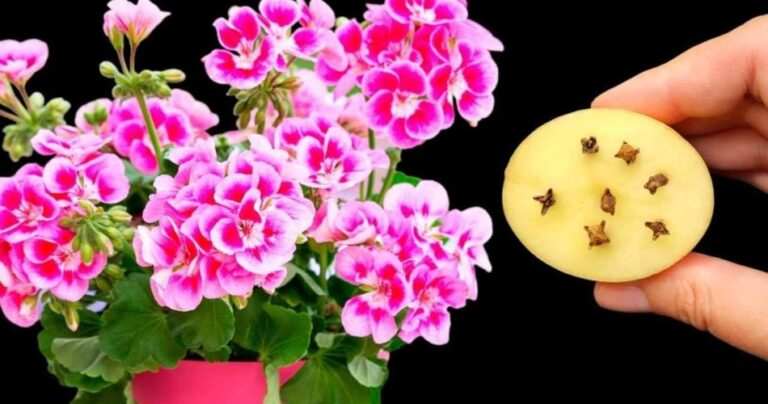
There are natural methods that solve the problem of flower and plant pests. Avoid using pesticides!
For those who enjoy caring for their houseplants and have a knack for gardening, it is not uncommon to encounter a peculiar situation.
Tiny insects that do no harm to humans but are dangerous to plants are often found on leaves and stems.
These insects, known as aphids or lice , can be a serious obstacle for those who have invested time, effort and passion in cultivating their vegetable garden.
The presence of these pests is common and can easily derail all the hard work that goes into creating a beautiful indoor oasis.
Fortunately, the issue of plant pests is not an impossible obstacle to overcome.
In reality, there are several methods and tricks that can be implemented to eliminate these parasites simply and effectively. Below, you will find a complete guide outlining everything you need to know.
Plant pests: what are they?
There are many types of insects that can pose a threat to plants, and aphids are among the most well-known.
These hemipteran insects are generally tiny, measuring between 1 and 3 millimeters, with a delicate body structure.
They may or may not have wings and possess mouthparts capable of piercing and/or sucking fluids.
Aphids are harmful to plants because they feed on the sap of cultivated and wild plants, and are particularly harmful to beans and apple trees.
Parasites
Owning roses can become a nightmare because of their tendency to spread and affect other nearby plant species.
Detecting an aphid infestation is a relatively easy task that can be done with a quick visual inspection .
These pests consume plant sap, affecting the overall health and vitality of the foliage, including color and shape.
A quick examination of the buds and leaves with the naked eye is usually sufficient to identify the problem.
However, it is important to note that their appearance can deceive growers. Although they usually appear in shades of brown, yellow, or black, some aphids can be green , making them more difficult to detect because they blend in perfectly with the leaves they attach to.
The risks
Home gardeners should consider various risks, and aphids aren’t the only ones.
Caterpillars are another risk that should not be underestimated, as they can quickly consume entire plants or branches .
Typically, they start by nibbling on a small leaf and then progress to other parts of the plant and nearby specimens.
This type of pest prefers tender, sweet foliage , especially basil and lettuce leaves.
Caterpillars are difficult to spot because they often blend in with the plant they are feeding on, being the exact same green color as their host.
Bed bugs pose a real threat to plants, especially the stink bug which poses the most serious threat.
Despite its small size , this pest can have a catastrophic effect, especially for farmers.
When present, it’s important to focus on fruit plants, such as peaches, pears, and apples. The Asian bed bug differs from its European counterpart in that it affects not only leaves but also flowers, vegetables, and fruits.
The insect causes necrosis, sucking sap from plants, eventually contributing to plant wilt .
Stink bug attacks at the base of the buds can cause the plant to dry out, with profoundly negative repercussions on harvest success. It is worth noting that the stink bug has also spread throughout Europe.
Mealybugs, red spiders and whiteflies
The impact of cochineal , a parasitic plant that can only spread under certain climatic conditions, should not be overlooked .
This small insect particularly likes hot and humid climates and tends to disappear when it rains.
However, the proliferation of scale insects over time can lead to a marked decrease in the structural integrity of the plant .
Whiteflies, native to tropical regions, prefer warm, humid climates, similar to the scale insects mentioned previously.
Plant parasite
They are a common problem in greenhouses and lakes and are known for the damage they cause to lemon trees.
However, for those with small gardens that include ornamental plants such as begonias , geraniums or orchids, whiteflies can be a big problem.
The formation of honeydew, a sugary substance that turns leaves yellow where whiteflies settle, is a clear sign of their presence and can cause leaf drop.
Spider mites , although harmless to humans, are actually tiny mites that fall into the category of parasitic insects and can cause significant damage to the fruits and ornamental plants they feed on to survive.
It is important to note that animals are not the only threat to plants, as they can also be significantly affected by fungal infections.
An example of such a disease is powdery mildew , also known as white powder, which manifests as a powdery substance that coats the plant, similar to talc.
This condition is usually limited to outdoor garden plants and does not affect houseplants.
Powdery mildew is caused by spores of a specific type of fungus called powdery mildew, which is invisible to the naked eye and can be spread by the wind .
Avoid the use of pesticides
At first glance, it may seem logical to use chemicals, such as synthetic pesticides , to effectively eliminate pests and prevent their continued growth.
Farmers use chemical agents to protect their crops from animals that pose a significant threat to their economic stability, and the use of these agents is strictly regulated by law.
The problem lies in the well-known negative effects of these substances, which affect different layers of society.
These pollutants are incredibly harmful to the environment and can seep into the soil and then leak into groundwater .
This poses a significant threat to all living organisms, especially over a long period of time.
The negative impact of pesticides, particularly systemic ones, on the human body has been repeatedly demonstrated due to their residues remaining on agri-food products .
Fortunately, there are safe and effective natural remedies that we can use in the comfort of our own homes, and the following chapter will describe some of these options.
Natural treatments to eliminate plant pests
One of the most popular remedies to deal with this problem is the use of neem oil , a natural extract derived from pressing the seeds of the Neem tree.
The key component of this oil is azadirachtin , which effectively eliminates certain pests such as aphids, while not discouraging the presence of pollinating insects, such as bees, which are essential to the overall health of flowers and plants.
An additional beneficial resource in pest control is Bacillus Thuringiensis , which is readily available in the market.