
Growing raspberries, from planting to harvest, involves a series of well-planned and carefully executed steps. Here’s a comprehensive guide based on various sources:
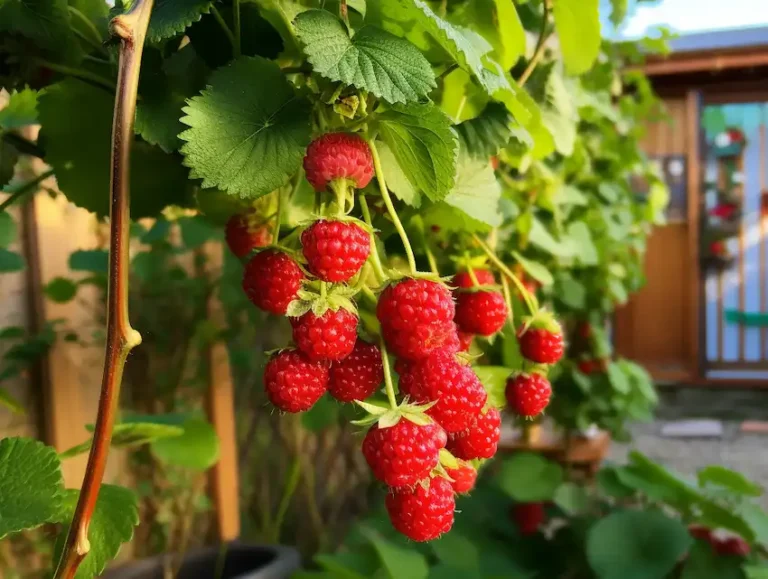
raspberry plants in the garden at home
Choosing varieties
Different raspberry varieties are suitable for different climates and uses. For example:
‘Canby’ for New England and the Northwest, with red berries and almost thornless canes.
‘Heritage’, a consistently fruitful variety recommended for the Mid-Atlantic and Ohio Valley.
‘Jewel’ and ‘Black Hawk’, two black summer varieties, are disease and heat resistant.
Planting
Soil Preparation : Raspberries thrive in fertile, well-drained soil. Before planting, enrich the soil with compost or well-rotted manure.
Planting Distance : Plant raspberries about 18 to 24 inches apart in rows, with rows spaced 4 to 6 feet apart.
Watering : First, water the plants thoroughly. Raspberries need 1 to 1.5 inches of water per week from spring until after harvest.
Interview
Mulching : Use straw or wood chips to retain moisture and suppress weed growth.
Fertilization : Apply a balanced fertilizer or compost to the plants. Be careful not to overfertilize, as this can lead to excessive leaf growth at the expense of fruit production.
Pruning : Pruning varies depending on the type of raspberry bush. For summer raspberries, prune the canes after they fruit in summer. Evergreen varieties can be pruned in different ways depending on your harvesting preferences.
Supporting plants
Raspberries need support to prevent the stems from bending or breaking. A trellis system, which can be as simple as posts with twine or wire, is effective. For black and purple raspberries, space plants 4 feet apart because they do not produce suckers and form a mound of canes from a single plant.
Harvest
Raspberries begin producing fruit in their second season. Harvest the berries every other day during the fruiting period, preferably on a sunny day when they are dry. Ripe raspberries will easily detach from the vine without pulling.
a bowl of raspberries
Storage
Fresh raspberries are perishable and are best enjoyed shortly after picking. They can be refrigerated for about 5 days. For longer storage, raspberries can be frozen in a single layer and then transferred to airtight bags.
Common challenges
Raspberries can suffer from problems such as iron deficiency (yellow leaves) or damage from pests such as mealybugs. Maintaining the correct soil pH and using netting to protect the fruit from birds can help alleviate these problems.
By following these guidelines and regularly monitoring your plants, you can enjoy a successful raspberry harvest. Remember that the key to successful raspberry growing lies in careful variety selection, proper planting, regular maintenance, and careful harvesting.