
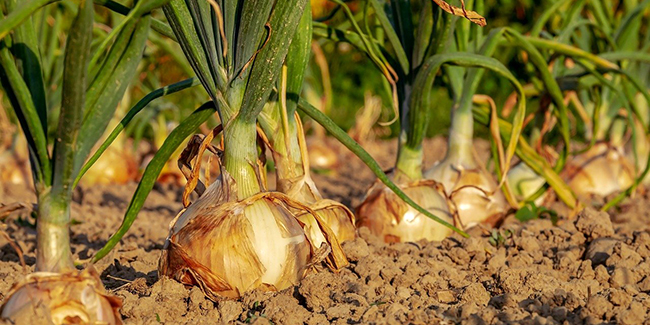
Imagine turning a single onion into a thriving garden of 21 or more! This isn’t a fantasy; it’s a practical guide to getting the most out of an onion and turning your kitchen scraps into a thriving onion patch. By understanding simple yet effective onion regeneration techniques, you can enjoy a continuous supply of onions straight from your vegetable garden.
Understanding Onion Biology: Onions (Allium cepa) are biennial plants, commonly grown for their flavorful bulbs. The key to propagating your onions lies in understanding their growth cycle. Typically, an onion plant forms a single bulb, but under the right conditions, it can produce multiple shoots, each capable of developing into a new plant.
Step 1: Start with the onion base: Start by selecting a healthy onion. Cut off the bottom third, making sure some of the roots remain attached. This bottom portion is your starting point. The rest of the onion can be used in your cooking, so nothing goes to waste.
Step 2: Rooting in Water: Place the onion base in a shallow container filled with water. Make sure the roots are submerged, but the top is above water. This setup encourages new root growth. Change the water regularly to maintain cleanliness.
Step 3: Observe Growth: After a few days to a week, you will notice new roots and green shoots emerging from the base of the onion. This growth indicates that your onion is ready for the next stage.
Step 4: Planting in the Ground: Prepare a pot or garden space with well-draining soil. Plant the rooted onion base, covering the roots and a small portion of the base with soil. Be careful not to plant too deeply, as this may hinder growth.
Step 5: Caring for Your Onion Plant: Place your pot or garden plot in a sunny spot. Regular watering is crucial, but avoid overwatering as onions prefer well-drained soil. Watch the onion base sprout several shoots.
Step 6: Separate the shoots: Once the shoots are strong, gently separate them. Each shoot, now with roots, can be replanted to become a separate onion plant.
Step 7: The Maturation Phase: As your onion plants mature, reduce watering to allow the bulbs to firm up. You’ll know they’re ready to harvest when the leaves begin to yellow and fall off.
Harvest and Enjoy: Harvest your onions by gently lifting them from the ground. You can use them immediately in your cooking or dry them for longer storage. From one onion, you can harvest a dozen or more, depending on care and conditions.
With patience and minimal effort, you can turn a single onion into a bountiful harvest. This sustainable practice not only provides a fresh supply of onions but also helps reduce kitchen waste. Adopt this eco-friendly approach and enjoy the rewards of your homegrown onions!