
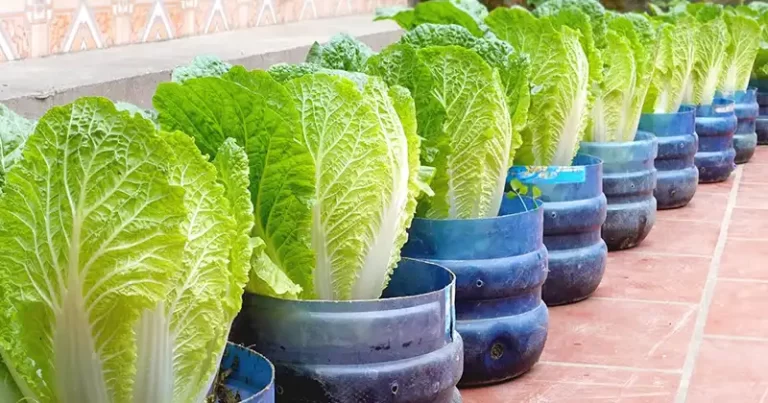
Napa cabbage, also known as Chinese cabbage or Peking cabbage, is a popular leafy vegetable with a mild, slightly sweet flavor. It’s a versatile ingredient in many Asian dishes, including stir-fries, salads, and kimchi. While you might think you need a garden or large outdoor space to grow napa cabbage, you can actually grow this delicious vegetable in small spaces using plastic bottles. In this article, we’ll walk you through the process of growing napa cabbage in 5-liter (or larger) plastic bottles, making it a perfect solution for urban gardeners and those with limited space. Why grow napa cabbage in plastic bottles?
Space efficiency: Plastic bottles allow you to maximize vertical space, making them ideal for balconies, windowsills, or even small outdoor spaces. Cost-effective: Reusing plastic bottles for gardening reduces the need for expensive planters or pots. Upcycling: By reusing plastic bottles, you help reduce plastic waste and promote sustainability. Easy maintenance: Plastic bottles are lightweight and easy to move, allowing you to adjust the cabbage’s exposure to sunlight.
What you will need
5 liter or larger plastic bottles (preferably clear or translucent) Potting soil or suitable potting mix Napa cabbage seeds or seedlings A cutting tool (scissors or utility knife) A marker Watering can or spray bottle Fertilizer (optional) Direct sunlight or grow light source
Steps to Grow Napa Cabbage in Plastic Bottles1. Preparation
Wash the plastic bottle thoroughly and remove all labels. Using a cutting tool, carefully cut off the top of the bottle (about 1/3 of the height) to create a planter. Be sure to leave the bottom intact as a base.
- Drainage
To prevent waterlogging, make small holes in the bottom of the bottle for drainage. This ensures excess water can escape, preventing root rot. - Fill with soil
Add potting soil or a suitable soil mix to the bottom of the bottle. Fill it to within an inch or two of the top. - Planting
Plant napa cabbage seeds or seedlings in the ground, following the recommended spacing for your chosen variety. If using seeds, plant them according to the package instructions. - Labeling
Mark the bottle with the planting date and cabbage variety to keep track of your plants. - Watering
Water your napa cabbage regularly, keeping the soil consistently moist but not waterlogged. Use a watering can or spray bottle to avoid disturbing the delicate plants. - Sunlight
Place your plastic bottle planters in a sunny location, as napa cabbage requires at least 6 to 8 hours of direct sunlight each day. If you don’t have access to direct sunlight, consider using a grow light. - Maintenance
Check soil moisture regularly and water as needed. You can also add a diluted liquid fertilizer once a month to promote healthy growth. - Harvest
Napa cabbage is generally ready to harvest about 70 to 80 days after planting. Harvest the entire head by cutting it off at the base when it reaches the desired size.
Conclusion Growing napa cabbage in plastic bottles is a practical and sustainable solution for urban gardeners and those with limited outdoor space. This method not only allows you to enjoy fresh, home-grown produce, but also helps reduce plastic waste through upcycling. With proper care and careful attention to sunlight and watering, you can enjoy a bountiful harvest of this versatile and delicious vegetable right from your balcony or windowsill. Happy gardening!