
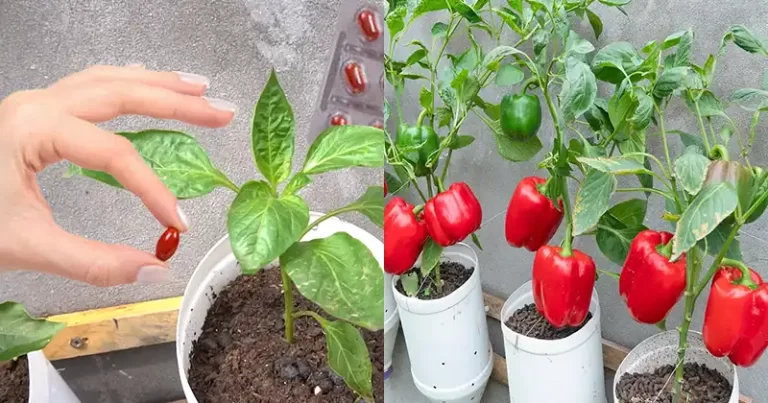
Are you eager to grow a thriving pepper garden at home? Achieving bountiful harvests and robust, flavorful peppers requires more than just soil and sunshine. In this comprehensive guide, we reveal secret tips for successful homegrown pepper growing, incorporating valuable insights to enhance your pepper care routine.
- Harness the power of B-complex vitamins
Improve your pepper care routine by incorporating B-complex vitamins. These nutrients are essential for improving growth and promoting robust fruit development. Consider using a balanced B-complex fertilizer to provide the necessary nutrition for your pepper plants.
- Optimal spacing for maximum growth
Ensure proper spacing between pepper plants to allow for optimal air circulation and sunlight. This not only reduces the risk of disease but also promotes healthier foliage, ultimately leading to a more abundant harvest. Refer to the specific spacing recommendations for the pepper varieties you are growing.
- Strategic crop rotation
Implement a systematic crop rotation plan in your garden to prevent soil-borne diseases and nutrient depletion. Avoid planting peppers in the same spot year after year and rotate with unrelated crops to maintain soil health and optimize pepper growth.
- Companion planting for pest control
Explore companion planting strategies to naturally control pests in your pepper garden. Marigolds, basil, and oregano, for example, can act as natural repellents against common pests, reducing the need for chemical interventions.
- Mulch for moisture retention
layer of organic mulch around your pepper plants
Apply a layer of organic mulch around your pepper plants to help retain soil moisture. Mulching also helps suppress weeds, regulates soil temperature, and ensures a gradual release of nutrients, contributing to overall plant health.
- Balanced watering program
Establish a consistent watering schedule to keep the soil evenly moist. Although peppers prefer slightly drier conditions between waterings, make sure they receive enough water to prevent stress and promote steady growth. Use a drip irrigation system or a watering wand to target the base of the plants.
- Regular soil tests
Periodically test the soil in your containers for nutrient levels and pH balance. Adjust the soil composition as needed to ensure your peppers have access to the essential nutrients needed for optimal growth and fruit production.
- Natural pest deterrent
Incorporate natural deterrents such as garlic sprays or pepper solutions to keep unwanted insects away. These eco-friendly alternatives minimize the impact on beneficial garden organisms while effectively protecting your pepper plants.
- Temperature monitoring
Be aware of temperature fluctuations, especially when gardening in containers. Peppers thrive in warm conditions, so monitor temperatures to avoid stress-related problems. Consider using a shade cloth during excessively hot periods to protect your plants.
- Timely harvesting practices
harvest red peppers at home
Harvest peppers when they are fully ripe to encourage continued fruit production. Regularly picking ripe peppers stimulates the plant to produce more, ensuring a longer harvest season.
Incorporate these secret tips into your pepper growing journey and watch your vegetable garden transform into a haven of vibrant, flavorful peppers. By adopting these practices, you’ll unlock your pepper plants’ full potential and enjoy a continuous harvest of delicious, homegrown peppers. Happy growing!