
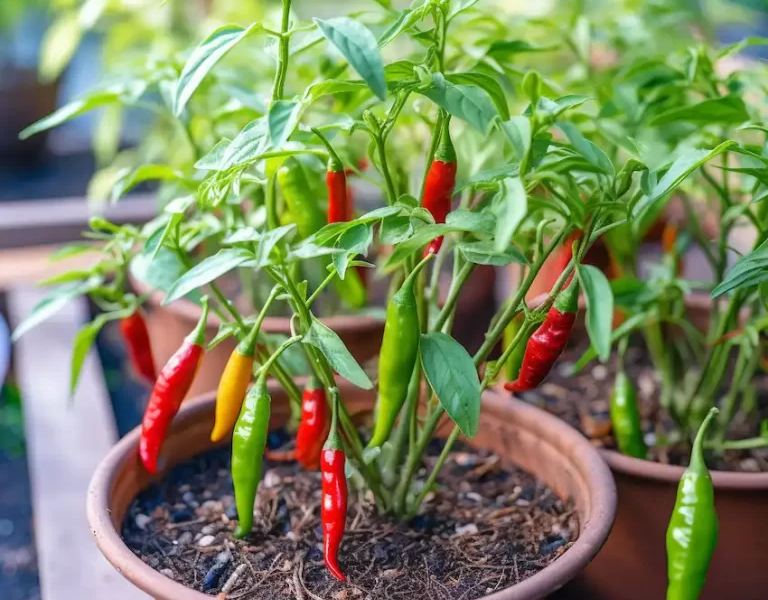
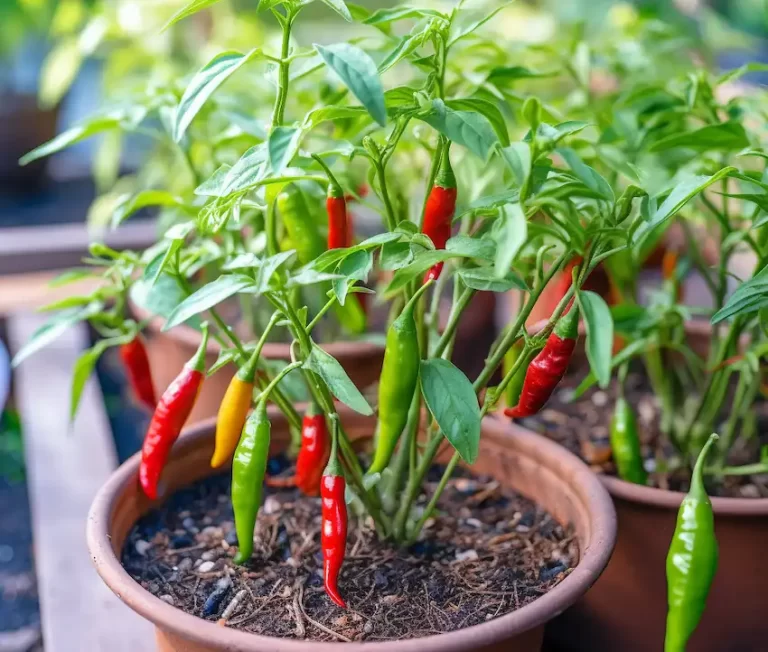
Growing chili peppers at home from seed can be a rewarding experience, offering fresh, spicy flavors straight from your garden or windowsill. Here’s a comprehensive guide to help you get started on your chili pepper growing adventure:
chili peppers at home
Chili peppers, with their wide variety of shapes, colors, and heat levels, are popular in cuisines around the world. Growing them at home allows you to experiment with different varieties and enjoy the freshest peppers possible.
Choosing chili seeds
Variety Selection : Choose seeds based on your preferred heat level and flavor. Popular varieties include Jalapeño, Habanero, and Carolina Reaper.
Quality Seed Source : Purchase seeds from reputable suppliers to ensure germination and plant health.
Germinating chili seeds
Soak the seeds : Soak the seeds overnight in warm water to soften the seed coat and promote germination.
Sowing : Plant seeds in a seed starting mix, about 1/4 inch deep.
Heat and Humidity : Chili peppers need warmth to germinate. Keep the soil moist and in a warm spot (around 25-30°C or 77-86°F).
Germination Time : It can take 2 to 4 weeks for chili seeds to germinate.
Transplanting seedlings
Wait for true leaves : Transplant the seedlings once they have a few true leaves.
Handling seedlings : Be gentle. Disturbing the roots too much can shock the plants.
Repotting : Use a potting soil rich in organic matter. Pots must have adequate drainage.
Growing conditions
Sunlight : Chili peppers need at least 6 to 8 hours of direct sunlight per day.
Watering : Water when the top inch of soil is dry. Avoid overwatering.
Temperature : Ideal growing temperatures are between 20-25°C (68-77°F).
Food and care
water a chili pepper plant
Fertilization : Use a balanced, slow-release fertilizer or compost.
Pruning : Pinch off the first flowers to encourage bushier growth and more fruit.
Support : Stake taller varieties to support the weight of the fruit.
Pest and disease management
Inspect regularly : Look for signs of pests and diseases such as aphids or fungal spots.
Biological control : Use neem oil or insecticidal soap for pests. Remove diseased leaves promptly.
Harvest
Timing : Harvest chili peppers when they are firm and brightly colored. The longer they remain on the plant, the hotter they become.
Method : Cut the chilies from the plant using scissors or pruning shears to avoid damage.
a basket of peppers
Storing and Using Chili Peppers
Fresh Use : Use freshly harvested chilies immediately in cooking for best flavor.
Drying : Dry the peppers in the sun or in a dehydrator for long-term storage.
Freezing : Freeze whole peppers in airtight bags for up to six months.
Growing chili peppers at home from seed is a fun and rewarding process that adds zest and color to your cooking. With patience and proper care, you can enjoy a bountiful harvest of hot peppers. Whether you’re a beginner or an experienced gardener, the joy of picking your homegrown chili peppers is unparalleled. Happy gardening!