
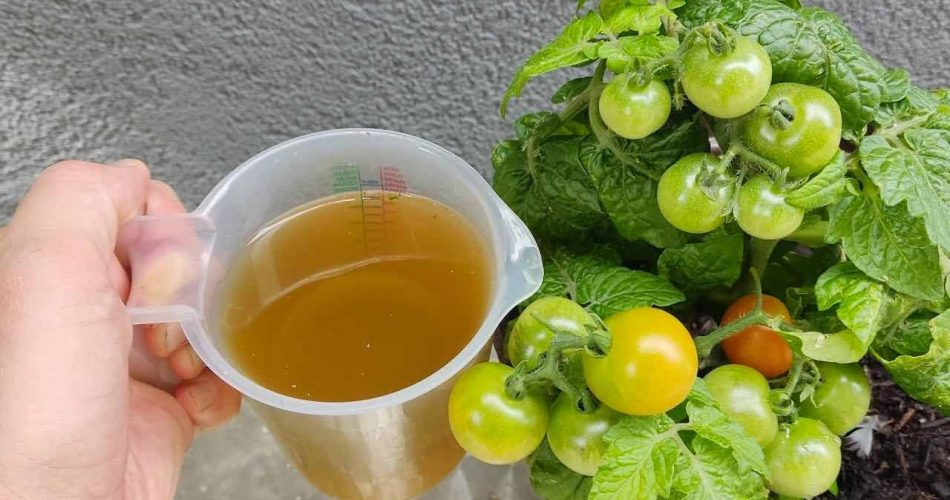
on The Best Cheap Organic Fertilizer – Blast for Tomatoes and Cucumbers
The best things are the ones we make ourselves. The best cheap organic fertilizer, in fact, is best made not by buying it, but by making it yourself. What’s the comment? Here are some steps to follow to create excellent fertilizer and have very thriving tomato and cucumber plants. If you’re a gardening enthusiast, you know how important it is to use organic fertilizers to grow healthy and lush plants. However, not all fertilizers are created equal—some can be very expensive or take too long to prepare.
But there’s an inexpensive and easy-to-make solution that can deliver exceptional results for your tomatoes and cucumbers! In this article, we’ll show you how to make the best cheap organic fertilizer with just a few ingredients and without breaking the bank. Are we ready?
What is an organic fertilizer?
Organic fertilizer is a natural product used to nourish plants and improve soil quality. Unlike chemical fertilizers, organic fertilizer does not contain harmful or toxic substances and is 100% environmentally friendly. Organic fertilizer offers many advantages over synthetic alternatives.
Most importantly, it helps improve plant health by providing a full range of essential nutrients such as nitrogen, phosphorus, and potassium. This means your plants will thrive and resist disease.
Second, organic fertilizer also improves soil quality by stimulating the activity of beneficial microorganisms living in the soil. These organisms work together to break down plant matter into nutrient-rich compost.
The best cheap organic fertilizer
Finally, organic fertilizer also helps increase soil fertility in the long term by adding organic matter to the soil. Organic matter serves as a natural water reservoir in the soil and provides structural support for plant roots.
The benefits of organic fertilizer
Organic fertilizers have many advantages over synthetic chemical fertilizers. Primarily, they are more environmentally friendly because they come from natural sources and do not contain toxic substances that can damage the soil and plants themselves.
Organic fertilizer improves soil structure over the long term by providing more organic matter, making the soil more fertile. This can help prevent desertification and reduce the need for irrigation.
Another great benefit of organic fertilizer is that it promotes plant health without causing unwanted side effects like chemicals. Plants grow best when they receive natural nutrients from the soil through a process that is released gradually over time.
Natural fertilizer
The best cheap organic fertilizer can be made yourself with a bucket or barrel, grass clippings, and water.
The best cheap organic fertilizer is one that we can easily prepare at home with just a few tools and ingredients. In fact, you don’t need to spend a lot of money buying ready-made compost or other types of targeted products.
All you need is a bucket or barrel, fresh grass clippings, and water . It is important to use a plastic container instead of a metal one as the latter can react during the fermentation process.
To prepare it, fill the bucket three-quarters full with cut grass and then pour water over it until the plant mass is completely covered. The best thing to do to speed up fermentation is to add sugar, yeast and crushed bread crust . To make it even more potent, a small amount of wood ash can be added.
How to Make the Best Organic Fertilizer
Fermentation lasts about two weeks depending on weather conditions: the warmer the weather, the less time it takes to complete. Once the compound is ready, it can be used in water at a ratio of 1:10 to water vegetable plants such as tomatoes and cucumbers.
In this way, we have created a natural plant fertilizer rich in nutrients such as nitrogen, phosphorus, potassium and micro-mineral elements essential to plants.
Organic fertilizer, some tips for using it to the maximum
Of course, here are some tips for making the best use of organic fertilizers :
Use the dispensed organic fertilizer : spread it on the soil or plants that you will fertilize later, avoiding accumulating it only in certain areas;
Dilute it properly: If you are using a liquid fertilizer, it is important to dilute it according to the instructions on the product label. This will prevent damage to plants due to excessive nutrient concentration;
Do not exceed the doses: even though organic fertilizer is a natural product, it is important not to exceed the recommended doses, as an excessive amount of nutrients can be harmful to plants;
Apply it at the right time: The best time to apply fertilizer depends on the type of plant. For example, some plants need more nutrients during the growth phase, while others need more nutrients during the flowering phase;
Store it properly: Store organic fertilizer in a cool, dry place away from direct sunlight and heat sources to prevent it from degrading.
Some tips for growing tomatoes and cucumbers
When growing tomatoes and cucumbers, there are a few tips to follow to ensure good yields. First, it’s important to choose a sunny spot where the plants can receive at least 6 hours of direct sunlight per day.
Cucumbers
Additionally, it is essential to properly prepare the soil before sowing or transplanting plants. The soil should be rich in nutrients such as nitrogen, phosphorus, and potassium. It can be enriched with organic compost or natural manure.
When growing plants, water stress must be avoided: therefore, water regularly but not excessively. To prevent fungal diseases such as tomato gray mold, it is advisable to water only at the base of the plant and not wet the leaves.
It is also important to prune all side shoots growing in the axils between the main branches and leaves. These shoots take energy away from the main plants and hinder fruit development.
Finally, when harvesting tomatoes and cucumbers, it is advisable to use special scissors to avoid accidentally damaging them with your hands. By following these simple precautions, you will be able to have a good harvest of fresh and savory vegetables straight from your own garden!
The best cheap organic fertilizer is the one we make with our own hands
In short, the best cheap organic fertilizer for tomatoes and cucumbers can be prepared comfortably at home. You don’t need to spend money on targeted industrial fertilizers: a bucket or barrel, grass clippings, and water are enough. Not only is it an economical solution, but it’s also environmentally friendly and sustainable . This type of fertilizer makes plants stronger and more resistant to reduced climatic conditions and eliminates the need to use environmentally toxic chemicals.
Always try to make the right choice when it comes to the health of your crops and the surrounding environment. With our tip for making fermented plant fertilizer, you can save money while still enjoying the benefits it will bring to your vegetables .