
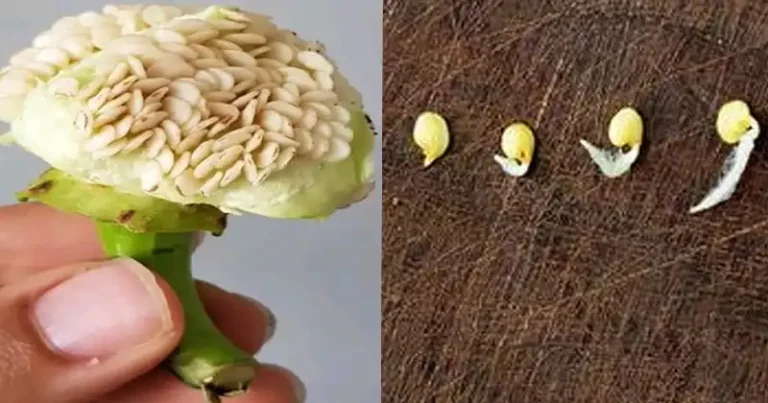
on The Best Ways to Germinate Pepper Seeds
share 60
Pepper plants, whether sweet peppers or fiery chilies, add a delicious touch to any garden or home. Growing your own peppers from seed can be a rewarding and profitable endeavor, and it all starts with successful germination. Whether you’ve collected your own seeds from ripe peppers or obtained them from a supplier, starting your pepper seeds indoors is a smart choice. This allows for greater control over the growing environment, ensuring a stable temperature and protection from adverse weather conditions. In this article, we’ll explore the best ways to germinate pepper seeds, including using store-bought seeds or seeds you’ve saved from peppers in your kitchen.
- Harvest pepper seeds
Before you begin the sprouting process, consider harvesting seeds from ripe, healthy peppers in your kitchen. Here’s how:
one. Choose a ripe pepper : Select a fully ripe pepper for ripe seeds.
b. Cutting the pepper : Slice the pepper, being careful not to damage the seeds inside.
c. Remove the seeds : Remove the seeds from the pepper core using a spoon or your fingers.
d. Clean the seeds : Rinse the seeds thoroughly to remove any residual pepper flesh, then spread them out on a paper towel to air dry for a day or two.
- Start inside
Since pepper plants are native to warm climates, they are sensitive to temperature fluctuations. Regardless of where your seeds come from, germinating your pepper seeds indoors ensures a controlled environment with stable temperatures, protecting them from adverse weather conditions.
- Choose the right germination method
a. Traditional seed starting mix :
Select a high-quality seed starting mix that is light, well-drained, and sterile.
Plant your pepper seeds about 1/4 inch (0.6 cm) deep. Sow one or two seeds per cell or pot to increase the chances of successful germination.
b. Damp paper towel or tissue :
Place your pepper seeds on a damp paper towel or tissue.
Fold the paper towel or tissue over the seeds and place them in a sealed plastic bag to create a mini-greenhouse effect.
Store the bag in a warm place with temperatures between 75 and 85°F (24 and 29°C).
- Maintain optimal conditions
There are certain factors that are crucial for pepper seed germination, regardless of the method chosen:
a. Temperature and humidity : Pepper seeds need consistent warmth and temperature. A seed heating mat can help maintain the desired temperature. Humidity levels can be maintained using a plastic dome or clear plastic wrap over your seed trays or pots.
b. Light : Once your pepper seeds have germinated, they need ample light to grow into healthy seedlings. Place them under fluorescent or LED grow lights for 12 to 16 hours a day, keeping the lights about 2 to 4 inches above the seedlings to promote strong growth.
- Transplantation
Once your pepper plants have developed at least two sets of true leaves, they are ready to be transplanted. Gently lift the plants by the leaves, being careful not to damage the delicate stems, and transplant them into larger pots or directly into the garden if the weather is warm enough.
- Hardening before planting outdoors
Before moving your pepper plants outdoors, they must be acclimated to outdoor conditions in a process called hardening off. Expose them to outdoor conditions gradually, starting with a few hours of sunlight and increasing the duration each day. This helps prevent shock and ensures a smooth transition for your plants.
Conclusion
Successfully germinating pepper seeds is the crucial first step in growing healthy, bountiful pepper plants. Whether you harvest seeds from your own peppers or obtain them from a supplier, by following these germination best practices, you’ll be well on your way to enjoying a thriving pepper garden. Whether you prefer the sweet crunch of bell peppers or the fiery heat of chili peppers, with the proper care and attention to detail, your pepper plants will thrive and provide a bountiful harvest.