
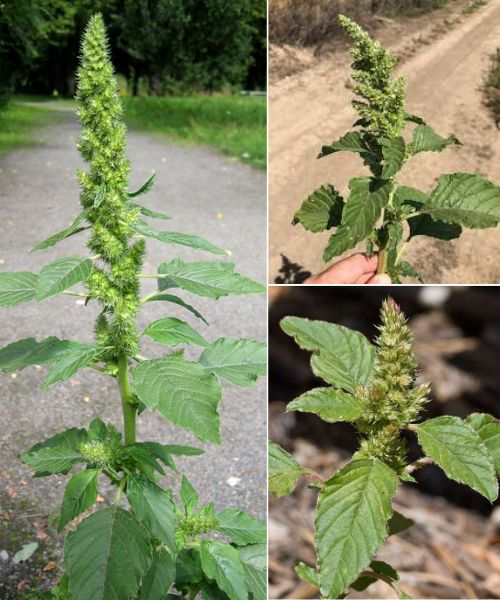
Introduction Begin with an engaging hook, highlighting pigweed as a commonly overlooked yet nutrient-packed plant. Mention that it’s likely growing unnoticed in gardens, and it’s time to reveal its hidden benefits.
What is Pigweed?
- Briefly introduce pigweed, also known as Amaranthus spp.
- Mention its reputation as a common weed found worldwide.
- Explain that pigweed is edible and has a long history of use in traditional diets across different cultures.
Nutritional Profile of Pigweed
- List key nutrients found in pigweed: high levels of vitamins A, C, K, and minerals like iron, calcium, and magnesium.
- Note its surprising protein content, which makes it unique among leafy greens.
- Explain its high antioxidant levels, which contribute to various health benefits.
Health Benefits of Pigweed
- Boosts Immunity
- Describe how vitamins A and C in pigweed strengthen the immune system.
- Mention that antioxidants in pigweed help combat free radicals, protecting cells from damage.
- Supports Bone Health
- Emphasize the calcium and magnesium content, crucial for maintaining strong bones and preventing osteoporosis.
- Aids in Digestion
- Highlight the fiber in pigweed, promoting digestive health, preventing constipation, and helping maintain a healthy weight.
- Helps Control Blood Pressure
- Note the potassium in pigweed, which can help balance sodium levels, supporting healthy blood pressure levels.
- Improves Skin Health
- Explain that vitamin A supports skin cell production and renewal, potentially helping with acne and providing an overall glow.
How to Harvest and Use Pigweed in Your Diet
- Offer tips on identifying and safely harvesting pigweed from your garden.
- Suggest easy ways to incorporate pigweed into meals, such as in salads, soups, or smoothies. Mention that it can be cooked similarly to spinach or other leafy greens.
Safety Tips and Considerations
- Caution readers to avoid pigweed growing in areas that may have been treated with pesticides.
- Mention any known allergies or adverse reactions, though rare.
Conclusion Wrap up by encouraging readers to appreciate the value of this “hidden gem” in their garden. Emphasize that while pigweed is often considered a weed, it’s packed with nutrients that can be easily added to a healthy diet.