
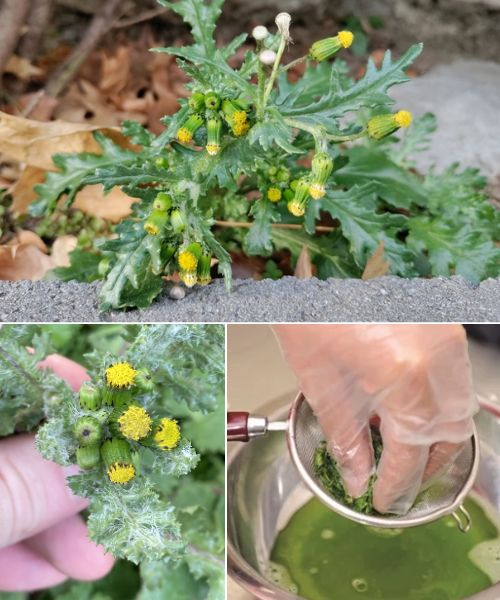
roundsel, often overlooked and dismissed as just another weed, is a remarkable plant with hidden benefits that deserve more attention. Found in gardens, fields, and even cracks in the pavement, this unpretentious wonder of nature has been quietly thriving and offering unique advantages to those who take the time to explore its potential. Let’s uncover why groundsel is more than meets the eye.

What is Groundsel?
Groundsel (Senecio vulgaris) is a fast-growing plant belonging to the daisy family. It’s easily recognizable by its small yellow flowers and soft, feathery leaves. Although it’s commonly considered a weed, its adaptability and resilience make it a fascinating species worth understanding.
Hidden Benefits of Groundsel
1. Medicinal Properties
Groundsel has a history of use in traditional medicine. Herbalists have utilized it for its potential to:
- Relieve digestive discomfort
- Support liver health
- Act as a mild laxative
While scientific research on these claims is still emerging, the plant’s natural compounds, including alkaloids, suggest promising therapeutic properties. However, caution is advised due to potential toxicity in large quantities.
2. Ecological Importance
As a pioneer species, groundsel plays a vital role in ecosystems:
- Pollinator Support: Its flowers attract bees and other pollinators, supporting biodiversity.
- Soil Health: Groundsel grows in disturbed soils, helping to stabilize and enrich them over time.
3. Culinary Uses
Though not widely known, groundsel has been used in small amounts as a foraged green. Its tender leaves can be added to salads or cooked dishes, offering a subtle, earthy flavor.
How to Identify and Harvest Groundsel
To safely utilize groundsel, it’s crucial to identify it correctly and ensure it’s harvested from non-contaminated areas free from pesticides and pollutants. Look for:
- Soft, deeply lobed leaves
- Small, daisy-like yellow flowers
- A height of 10-50 cm, depending on its growth stage
Groundsel in Your Garden: Friend or Foe?
While some gardeners consider groundsel a nuisance, it can actually benefit your garden:
- Natural Mulch: Allowing groundsel to decompose on-site can enrich the soil.
- Companion Planting: Groundsel can deter certain pests and provide ground cover, reducing soil erosion.
If you’re not ready to embrace groundsel fully, it’s easy to manage due to its shallow roots. Regular weeding can keep it in check while allowing you to reap its benefits selectively.
Final Thoughts
Groundsel is a testament to the resilience and ingenuity of nature. What many see as an unwanted weed is, in fact, a plant with remarkable potential to heal, nourish, and support ecosystems. By rethinking our relationship with this humble species, we can uncover new ways to appreciate the hidden wonders around us.
So, next time you spot groundsel growing near you, pause and consider its hidden power. This unpretentious wonder of nature might just surprise you.