
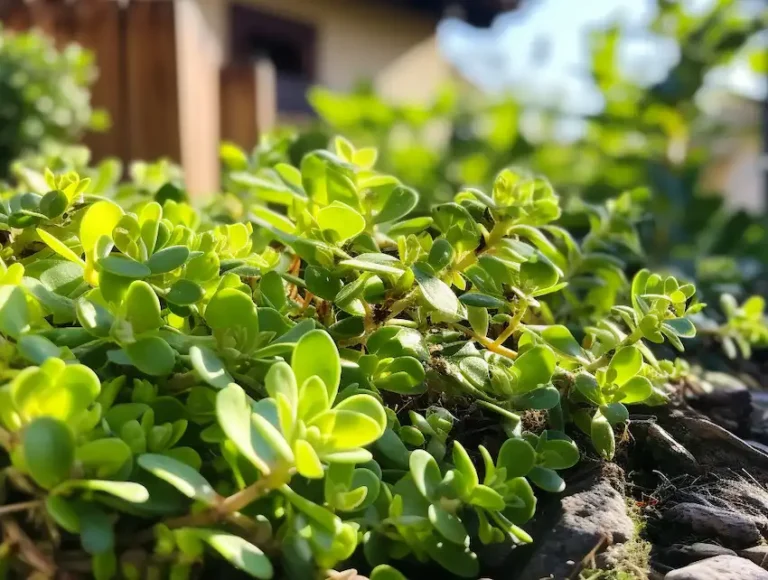
Purslane (Portulaca oleracea), often considered a weed, is actually a plant packed with health benefits. Its roots can be traced back to India and Iran, and it has found its way around the world due to its hardy nature.
purslane in the house garden
Nutritional and medicinal benefits
Rich in essential nutrients : Purslane is loaded with potassium, magnesium, and calcium. These nutrients are essential for heart health, reducing the risk of stroke, and promoting bone health. The magnesium in purslane also helps relieve anxiety and improve mental health.
Diabetes Management : Research indicates that purslane extract can significantly lower blood pressure and improve blood sugar control, making it a promising complementary treatment for type 2 diabetes.
Gastrointestinal Health : Purslane has been shown to promote digestive health and may alleviate symptoms of digestive disorders.
Skin Care : Topical applications of purslane can treat various skin conditions, including burns, due to its anti-inflammatory properties.
Weight Management : Thanks to its low calorie and high fiber content, purslane is an excellent addition to weight loss diets.
Vitamins and nutrients:
Omega-3 fatty acids : Purslane is particularly known for its high levels of omega-3 fatty acids, which are crucial for heart health, reducing the risk of cardiovascular disease and promoting brain development. It is one of the few leafy plants that contains ALA (alpha-linolenic acid), a type of omega-3 commonly found in fish oils..
Vitamin A : This plant is a good source of vitamin A, which is essential for eye health, immune function, and skin health. It can help reduce inflammation and improve skin condition when applied topically or consumed..
Vitamin C : Purslane also contains vitamin C, which is essential for immune system function, skin health, and wound healing..
Magnesium and Calcium : These minerals are important for bone health, muscle function, and nervous system regulation. Purslane’s magnesium content is particularly beneficial for mental health and reduces anxiety..
Iron and Manganese : These elements are crucial for blood health and metabolic function. Purslane can help prevent anemia and promote healthy bone development..
Dietary fiber:
Weight Loss Aid : Due to its high dietary fiber content, purslane may aid weight loss by promoting a feeling of fullness and aiding digestion..
Low calorie:
Ideal for dieting : Purslane is very low in calories, making it a perfect addition to a calorie-controlled diet for those looking to effectively manage their weight.
How to use purslane
a purslane salad
In the kitchen : Purslane can be eaten raw in salads or cooked like spinach. Its slightly sour and refreshing taste makes it a versatile ingredient in various dishes.
Medicinal Uses : Externally, purslane can be used to treat burns and wounds. For its internal health benefits, it can be consumed in the form of teas or extracts.
Incorporate purslane into your diet
Salads and Smoothies : Add raw purslane leaves to salads for a nutritional boost or blend them into smoothies for a refreshing drink.
Cooked Dishes : Purslane can be cooked in the same way as spinach and added to a variety of dishes, including soups, stews, and omelets.
Growing purslane
Easy to grow : Purslane grows easily in a variety of settings, thriving in sunny conditions and poor, sandy soil. It’s a low-maintenance plant, ideal for beginner gardeners.
Indoor Gardening : You can also grow purslane indoors by scattering the seeds over the soil and making sure they get enough sunlight and water.
Purslane, with its many health benefits and ease of cultivation, is much more than just a weed. Incorporating it into your diet and garden can provide numerous health benefits.