
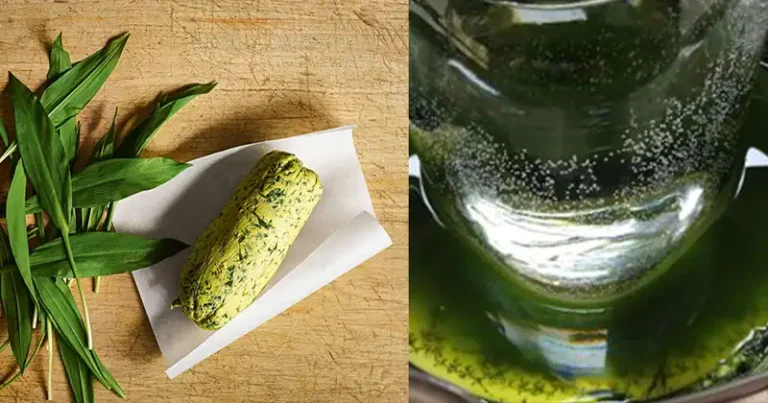
Ramsons, also known as wild garlic, bear’s garlic, or Allium ursinum , are a unique and versatile plant that often remains overlooked in the natural world. Often considered a common weed, Ramsons are far from ordinary. This unassuming plant has a wide range of uses, from culinary delights to medicinal remedies and ecological importance, making it a hidden gem in the plant kingdom. In this article, we will explore the fascinating world of Ramsons and highlight their important uses that many people may not be aware of.
Botanical profile
Ramsons are perennial herbaceous plants belonging to the genus Allium , which includes garlic, onions, leeks, and chives. They are found in temperate regions of Europe and Asia and are often associated with humid forests, riverbanks, and shady areas. Ramsons typically grow to a height of 30–45 cm (12–18 in) and have bright green, lance-shaped leaves that can reach lengths of up to 25 cm (10 in). What sets them apart is their characteristic garlicky aroma, which is emanated from both the leaves and the small, white, star-shaped flowers that appear in early spring.
Culinary uses
Ramsons are a hidden culinary treasure, offering a unique flavor that combines the spiciness of garlic with the freshness of chives. The leaves, flowers, and bulbs of this plant are all edible and have been used for centuries in traditional cooking. Here are some culinary uses for ramsons:
Flavorful seasoning: Ramsons can be used as a flavorful addition to salads, soups, and sauces, offering a mild garlic flavor without the intensity of cultivated garlic. The leaves are particularly popular for this purpose.
Wild Garlic Pesto: Wild garlic makes an excellent base for pesto, which can be used as a condiment, sauce, or spread. A simple recipe involves blending wild garlic leaves with walnuts, olive oil, and Parmesan cheese.
Pickled Ramsons Buds: Ramsons flower buds can be pickled in a similar way to capers, providing a tangy, garlicky kick to various dishes.
Fermented Ramsons: Some food enthusiasts are experimenting with fermenting Ramsons to create a unique condiment rich in probiotics.
Medicinal uses
Beyond their culinary merits, Ramsons have a rich history of medicinal use:
Immune Boost: Ramsons contain essential vitamins and minerals, making them a natural immune booster. Their consumption is associated with better overall health.
Antimicrobial Properties: Ramsons are known for their antimicrobial properties and are traditionally used to fight infections and promote wound healing.
Cardiovascular Health: Some studies suggest that Ramsons may contribute to heart health by lowering blood pressure and cholesterol levels due to their allicin content, also found in cultivated garlic.
Digestive Aid: Ramsons have been used to relieve digestive problems, such as bloating and gas, due to their mild laxative and carminative effects.
Ecological importance
Ramsons are not only valuable in the kitchen and medicine cabinet; they also play a crucial role in their natural ecosystems:
Early Spring Pollinators: The early flowering of Ramsons in spring provides a vital source of nectar for pollinators such as bees, butterflies and hoverflies, helping to restart the pollination cycle.
Soil Stabilization: Dense stands of Ramsons in forests and along river banks help stabilize the soil and prevent erosion.
Biodiversity: These wild garlic patches create unique microhabitats for a variety of species, from insects to small mammals, thus promoting biodiversity in the ecosystem.
Conclusion
Ramsons, often considered a wild weed, are a testament to nature’s ability to provide hidden treasures in the most unexpected places. From the kitchen to the pharmacy to the natural world, ramsons offer a multitude of often-overlooked uses and benefits. The next time you come across a patch of ramsons in the wild, take a moment to appreciate the unsung hero of the plant kingdom and the wonders it has to offer.