
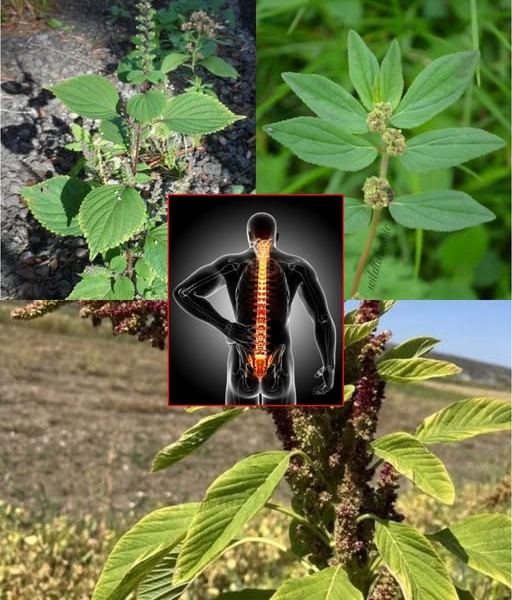
Pigweed, an ancient grain originating from Central and South America, has been cultivated for thousands of years.
Known scientifically as Amaranthus, this versatile plant was a staple food for the Aztecs and has been revered for its nutritional and health benefits.
Today, pigweed is gaining popularity worldwide due to its rich nutrient profile and other numerous advantages.
Summary:
- Pigweed’s leaves and seeds are rich in protein, fiber, vitamins, and minerals offering substantial nutritional benefits and supporting various dietary needs.
- Regular consumption of pigweed can aid in digestive health, heart health, blood sugar regulation, and immune support.
- Pigweed can improve soil health and support local ecosystems.
Nutritional Profile of Pigweed
Nutritional Value in Pigweed
- Enregistrer
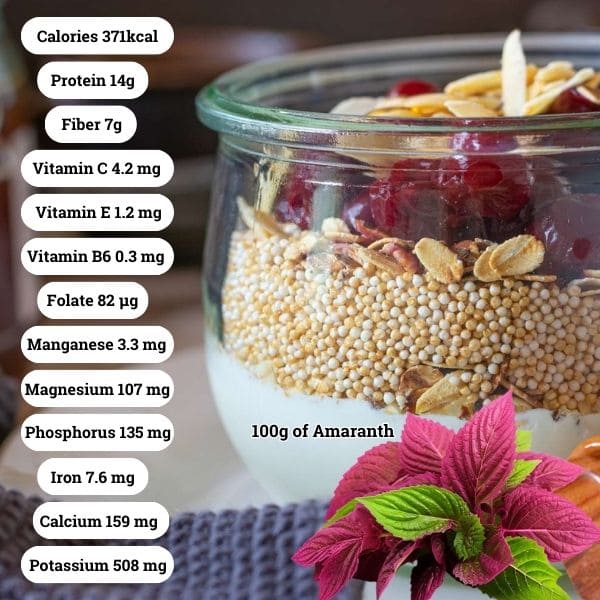
A 100-gram serving of pigweed contains:
- Calories: 371 kcal
- Protein: 14 grams
- Fiber: 7 grams
- Vitamin C: 4.2 milligrams
- Vitamin E: 1.2 milligrams
- Vitamin B6: 0.3 milligrams
- Folate: 82 micrograms
- Manganese: 3.3 milligrams (97% of the RDI)
- Magnesium: 107 milligrams (29% of the RDI)
- Phosphorus: 135 milligrams (22% of the RDI)
- Iron: 7.6 milligrams (42% of the RDI)
- Calcium: 159 milligrams (16% of the RDI)
- Potassium: 508 milligrams
Besides 371 calories and 14 grams protein in 100 grams of pigweed, it includes all nine essential amino acids making pigweed an excellent choice for vegetarians and vegans.
When compared to spinach which is often praised for its nutrient density, it provides only about 2.9 grams of protein per 100 grams, far less than pigweed.
Additionally, while spinach offers a good amount of vitamins A and C, pigweed provides a broader spectrum of nutrients, including a substantial amount of vitamins B6, E, and folate.
Antioxidant-Rich
The key antioxidants found in pigweed include rutin and nicotiflorin which are known for strong anti-inflammatory properties and ability to protect cells fromoxidative stress.
In addition, oxidative stress caused by free radicals can lead to chronic diseases and aging. The antioxidants in pigweed help neutralize these free radicals, thereby reducing the risk of conditions like heart disease, cancer, and neurodegenerative disorders.
Moreover, rutin has been shown to strengthen blood vessels, enhance circulation, and reduce inflammation, contributing to overall cardiovascular health.