
Caring for orchids after they bloom is crucial for their health and to encourage reblooming. Here’s a complete guide on what to do after flowering and how to get your orchids to bloom again:
orchid
Post-flowering care :
General Care : Continue to provide light (but not direct sunlight), consistent humidity, and maintain temperatures around 75°F (23°C) during the day and 65°F (18°C) at night. Orchids thrive in small containers with good ambient conditions.
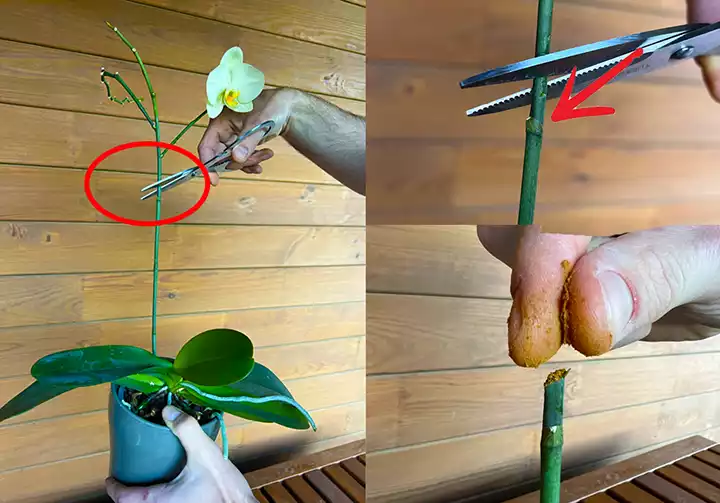
Pruning : For species like Phalaenopsis, healthy green stems can be cut back to the second or third node to potentially produce a new bloom. If the stem is brown or limp, cut it back to the base with a sterile instrument to redirect energy to the roots. Seal the cut with cinnamon powder or melted wax to prevent infection.
Repotting : Post-flowering is a good time for repotting. Be gentle with the roots and use a specialized orchid mix. For sympodial orchids, place the oldest pseudobulb against the side of the container to allow room for new growth.
Promote reflowering :
Light : Move the plant to a brighter location, preferably near a south- or east-facing window. Orchids should have light or medium green leaves, indicating sufficient light.
Temperature : Different orchids have varying temperature requirements. For example, Cattleya orchids need daytime temperatures of 70 to 85°F (21 to 29°C) and nighttime temperatures of 55 to 65°F (13 to 18°C) to rebloom.
Watering : Water weekly, allowing the orchid to drain completely. Avoid overwatering as this can lead to root rot.
Fertilization : Regularly use special orchid fertilizers or diluted all-purpose fertilizers. Epsom salt solution and bone meal solution can also improve plant health and promote flowering.
watering an orchid plant
Additional tips :
Disease Prevention : Always use clean tools when handling orchids, as they are susceptible to disease.
Proper Light : Provides filtered sunlight, mimicking the natural epiphytic environment of most orchid species.
By following these steps, you can ensure your orchids remain healthy and vibrant, ready to bloom again. Keep in mind that each orchid species may have specific requirements, so adjust your care routine accordingly.