
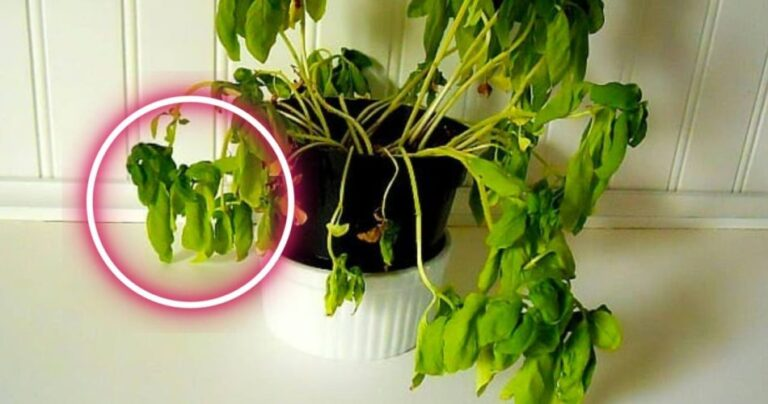
The basil plant from the supermarket dries up as soon as it arrives home: there is a reason and it is good to act immediately.
There’s no need to go into detail about it, basil is the most common plant in gardens, vegetable patches, and homes. Its heady fragrance gives it an extraordinary touch, and its bright green color beautifies any environment. Often, and willingly, seedlings purchased at the supermarket appear very dry once they arrive home. What happens to them along the way, and why does they dry out? Nurserymen explain the causes of this sudden change.
Basil, what care is needed?
Basil is an aromatic plant that never fails to grace Italian kitchens, a perfect symbol of Made in Italy throughout the world. A unique ingredient in culinary tradition, its touch of fragrance and flavor permeates every type of dish. The moment you buy a seedling at the supermarket, it dries up once you get home.
Plants purchased in supermarkets —say industry experts—are designed to last a short time. This marketing strategy leads consumers to have to buy another one after a very short time. Nursery owners themselves encourage consumers to purchase plants and flowers from experts, while recommending a few steps to recover the seedlings.
Supermarket basil plant
In fact, basil itself doesn’t require any special care and is a plant that’s suitable even for those without a green thumb. The causes that lead to a radical change shouldn’t be attributed to the consumer, but to a series of external factors.
Dried Supermarket Basil: The Causes
When basil is purchased at the supermarket, it often tends to dry out once it’s in the car or at home. It’s likely that the plant has spent several days in direct contact with artificial light and at a controlled, correct temperature. The transition to natural light and a temperature range isn’t a positive one for the plant, which is why it tends to dry out and, in some cases, die.
The advice is to help it recover from the shock by trying to keep it indoors near a window. The plant must have time to adapt to the new environment and temperature.
Basil plant
Also pay attention to watering, as the soil must always be hydrated . It is also possible that the seedlings have not been properly hydrated: once at home, you will have to give water alternately, so as to rehydrate them but not all at once.
Supermarket basil can also be transplanted into another pot, but it is important that the soil is fertile and not compacted. So you choose a nitrogen-based fertilizer product , even better if it is liquid. The plant can be recovered with small, simple gestures, optimal for its rehabilitation.