
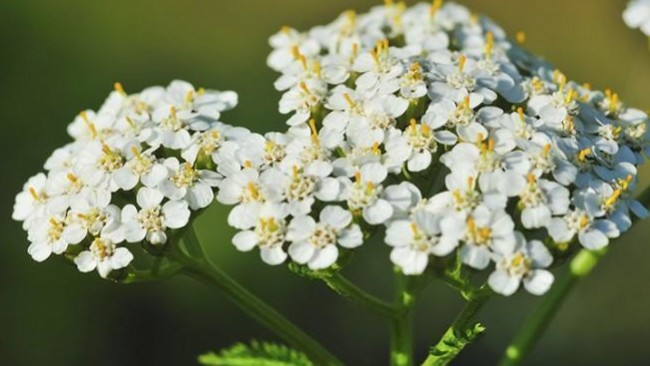
These are just a few of its benefits:
Supports respiratory health
. Yarrow helps relieve congestion and inflammation in the respiratory system. Its expectorant properties make it useful for clearing mucus from the lungs, aiding in the treatment of colds, bronchitis, and asthma.
Detoxifies the Body
Through its diaphoretic (sweat-inducing) and diuretic properties, yarrow promotes detoxification by helping the body eliminate excess fluids and toxins through sweat and urine.
Relieves Anxiety and Stress:
Yarrow calms the nervous system. Drinking yarrow tea can relieve stress, anxiety, and tension, helping to promote a sense of calm and well-being.
Improves Immune Function:
The herb contains antioxidants that boost the immune system, helping the body defend itself against infections. Regular consumption can strengthen the immune response, making it a great ally during cold and flu season.
Skin Health:
Yarrow can soothe inflamed skin and reduce acne breakouts. Its astringent properties help tone and tighten the skin, reducing pore size and improving overall skin texture.
Helps Treat Varicose Veins:
Due to its ability to improve circulation and reduce inflammation, yarrow is often used to manage varicose veins, helping to minimize pain and reduce the appearance of swollen veins.
Helps Control Weight:
Yarrow can aid metabolism and stimulate the elimination of excess fluids, making it useful in weight-management regimens. It promotes digestion and detoxification, which are essential for maintaining a healthy weight.
How to Use Yarrow
Yarrow can be used in several ways, depending on your needs:
Tea: One of the most common ways to consume yarrow is as a tea. Simply steep dried yarrow flowers in hot water for 10 to 15 minutes. Drink up to three cups a day to experience its health benefits.
Tincture: Yarrow tinctures can be taken in small doses (about 10 to 15 drops) under the tongue or diluted in water. Tinctures provide a concentrated form of yarrow’s active compounds and are especially effective for digestive or menstrual problems.
Poultice: To heal wounds, you can make a yarrow poultice by crushing fresh yarrow leaves and flowers and applying them directly to cuts, bruises, or swollen areas.
Ointment: Yarrow-infused oils and ointments can be applied topically to the skin for conditions such as eczema, rashes, or varicose veins.
Essential Oil: Yarrow essential oil can be added to baths or diluted in a carrier oil for massages. Its anti-inflammatory and antiseptic properties make it an excellent addition to skincare routines.
Disclaimer:
Although yarrow is generally safe for most people, some may experience allergic reactions, especially those allergic to plants in the Asteraceae family (such as daisies or chrysanthemums). Pregnant and breastfeeding women should avoid using yarrow, as it may stimulate uterine contractions. Always consult with a physician before beginning any herbal remedy, particularly if you are taking medication or have a chronic illness.
Conclusion:
Yarrow is a versatile herb with an impressive array of health benefits. From aiding digestion and easing menstrual cramps to promoting wound healing and supporting cardiovascular health, this ancient herbal ally has much to offer. Whether used as a tea, tincture, or topical application, yarrow is a valuable addition to any natural health routine. However, it’s essential to use yarrow prudently and consult with a healthcare professional before making it a staple