
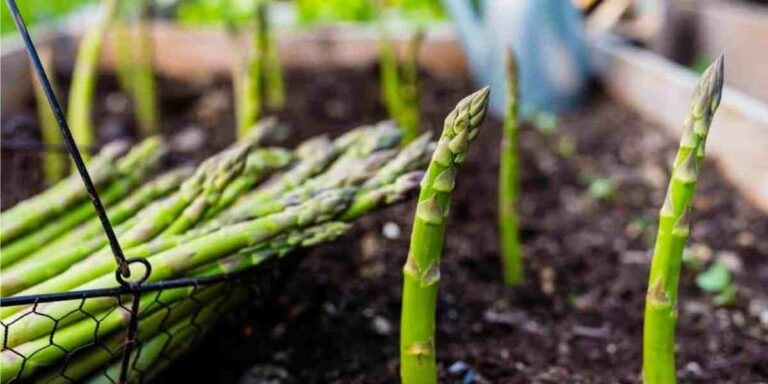
Ask any gardener and they’ll tell you that tending your own vegetable garden is a rewarding experience! Not only can you see the results of your hard work, but you can eat them too! Asparagus is a delicious vegetable to add to your garden after it’s been growing for about 15 years or more!
However, growing asparagus is a test of patience and care.
Growing asparagus:
Asparagus needs time to develop a root system. To ensure the plant is strong enough to survive for many years, you should wait until it is 3 years old to harvest the buds.
Are you ready to get into the garden? Find out everything you need to know about growing asparagus!
Materials needed to plant asparagus:
Before we begin, we will need a few tools from the supply box:
- garden bed or tub
- asparagus roots or seeds
- compost
- Fertilizer
- land for gardening
- garden shovel
- gardening scissors
Obtain some asparagus roots or seeds.
To grow asparagus, first decide whether to plant seeds or roots. Asparagus is primarily sold as bare roots (dormant roots of another plant) planted directly into the soil. If you choose established asparagus roots, you can plant them immediately during the growing season.
If you choose to plant asparagus from seed instead, many gardeners choose to grow it indoors before the growing season begins (as early as February). Asparagus seeds can also be planted directly into the flower bed early in the season if the soil temperature is warm enough. Choose the growing option that works best for you and get ready to start planting.
Build and prepare the site
It’s time to find a spot to grow asparagus! When choosing a site to grow asparagus, make sure you choose a spot that receives plenty of sunlight (at least 8 hours). The site should also be one you’re willing to sacrifice for several years until your asparagus plants are fully productive. After choosing a site, fill it with a healthy mix of compost, garden soil, and fertilizer. Asparagus prefers sandy/loamy soil that provides adequate drainage. Also, choose an all-purpose or balanced fertilizer that contains phosphorus, nitrogen, and potassium to promote plant growth.
Nutrient-rich soil from the start encourages new plant growth and keeps them in good condition for the upcoming growing season!
Asparagus plantation
When planting asparagus roots, dig a trench before planting. Make the trench 6 inches deep (but not too deep, so it’s effortless) so there’s plenty of room for the asparagus roots to grow. If you’re planting multiple spears of asparagus, leave 6 inches between each plant and about 18 inches between each row. After covering the roots with soil, water them—well!
If you’re growing asparagus seeds indoors, keep them inside for about 11 weeks. Transplant new asparagus plants only when the area is no longer threatened by frost or cold. Just like planting asparagus roots, fill your garden with manure, compost, and healthy soil when transplanting seedlings.
Asparagus won’t be easy to care for, but remember that asparagus shouldn’t be harvested for the first two years. Let the asparagus tips emerge from the ground and grow. They will become trees and eventually ferns. Once they begin to grow, they can use photosynthesis to collect energy and send it to the plant’s roots, allowing it to grow further.
Asparagus Care
Asparagus won’t be easy to care for, but remember that asparagus shouldn’t be harvested for the first two years. Let the asparagus tips emerge from the ground and grow. They will become trees and eventually ferns. Once they begin to grow, they can use photosynthesis to collect energy and send it to the plant’s roots, allowing it to grow further.
It’s important to continue watering even if they aren’t fully grown. During the first few years of growth, asparagus needs 1 to 2 inches of water each week. For older asparagus plants, the amount of water can be reduced to about 1 inch per week.
Asparagus likes sandy, well-drained soil, so if you live in an area with warm temperatures or low rainfall, check your asparagus garden often to make sure it isn’t drying out. You can check the soil moisture by using a moisture meter or digging about an inch deep into the soil to see if it’s moist. If the soil is dry, wet the base of the plant thoroughly. Over the course of three years, you’ll see more and more plants appear.
The harvest
Congratulations! The plants are ready to harvest!
Remember to limit the number of asparagus heads you harvest, especially during the first two years after harvest. Leaving a few fern shoots will improve the productivity and health of your asparagus plants.
Cut back ferns in late fall when they begin to wilt, turn brown, or die. Use garden shears to cut them back to about 2 inches from the ground during the winter.
Asparagus is a vegetable rich in protein, fiber, vitamin K, and many other nutrients that help fight bloating, aid in weight loss, and more! Growing asparagus in your garden is a cost-effective way to reap the rewards of this healthy vegetable every year. It’s worth the patience!
First, you need to decide whether you want to plant the seeds (starting in February) or open the roots (planting in spring). When you’re ready to plant, find a sunny spot in your garden and fill it with healthy, nutrient-rich compost and soil. Water the asparagus plants weekly. Then, all that’s left is to wait!