
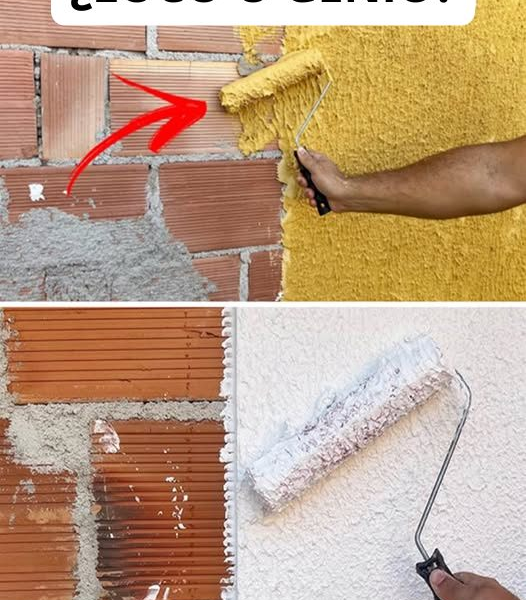
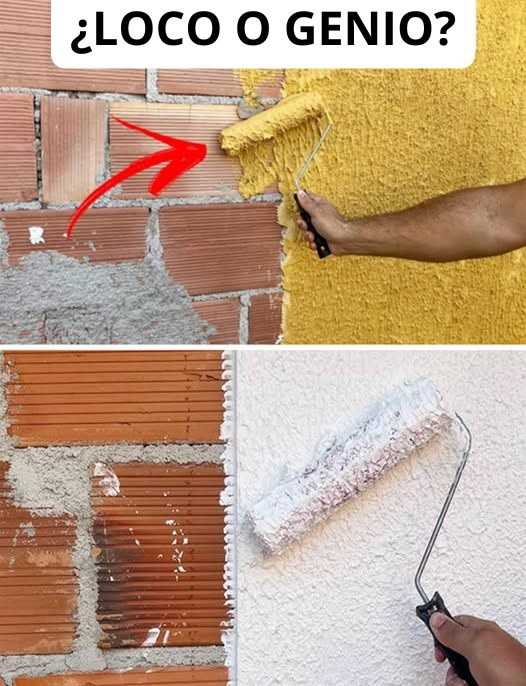
In the world of construction, traditional wall cladding techniques seem to be unbeatable. However, an experienced master builder with 20 years in the trade has surprised everyone with an innovation that could change the rules of the game. The proposal: to leave aside conventional plastering and adopt a more economical, practical and accessible method.
What does this revolutionary method consist of?
The idea is based on a mixture of mass that, when applied directly to the walls, offers a smooth, resistant and aesthetically impeccable surface without the need for plastering. This method promises not only ease of application, but also a durable and attractive finish.
Steps to follow:
Prepare the mixture:
Use a base mixture of cement, fine sand and water.
Add a colorant of your choice if you want to customize the finish.
Apply the dough:
Use a hand mixer to ensure a homogeneous texture.
Using a spatula or trowel, spread the paste directly onto the wall in even layers.
Drying and finishing:
Allow to dry completely to allow the color and texture to set.
If desired, you can apply a coat of sealer to improve moisture resistance.
Advantages of the Method
Cost savings: By eliminating the need for plastering, the cost of materials and specialized labor is reduced. It is ideal for those looking for affordable solutions.
Easy to apply: Anyone can implement this technique with basic tools, without the need for previous construction experience.
Moisture resistance: This method protects walls against deterioration caused by rain or humidity, preventing the appearance of mold and stains.
Customization: Thanks to the colorants, you can choose the shade that best suits your space, which adds additional aesthetic value.
Disadvantages to Consider
Durability against impacts: Although it offers good resistance to humidity, it is not as robust against impacts or mechanical damage as a traditional plaster.
Requires precision: Application must be uniform to ensure a good finish. An error in this step could affect the final result.
Less thermal insulation: Compared to plastering, this method may not be as effective in maintaining the interior temperature.
Tips for Implementing this Technique
Test on a small area: Before applying the technique to the entire wall, test a small section to ensure the finish is as desired.
Use the right tools: Invest in a good spatula and a quality hand whisk to make the job easier.
Protect the environment: Cover furniture and floors to avoid stains from the mixture or dye.
Seal the joints: If you are working with bricks, make sure to seal the joints well to prevent leaks.
This innovative method offers an economical and simple alternative to traditional plastering, making it an ideal choice for those looking for practical and affordable solutions. Although it has some limitations, its advantages, such as resistance to humidity and aesthetic customization, make it an attractive option for many homes.
Would you dare to try this technique? With a little practice and dedication, you could transform your walls into true works of art without complications. Go ahead and be part of this revolution against plastering!