
Bleeding your radiators is a simple task that can make a difference in improving the comfort and efficiency of your home during the winter. By following this step-by-step guide, you will be able to remove excess air and make your heating system work better, while also reducing energy consumption and bills. If you have any doubts or the problem persists, do not hesitate to contact a professional for a complete check of the system.
Bleeding your radiators is a vital part of ensuring your heating system is working optimally and improving your home’s energy efficiency. When air builds up in your radiators, it prevents the water from flowing evenly, causing annoying noises and inefficient heat distribution. In this guide, we’ll walk you through how to bleed your radiators easily and effectively, step by step, to get the most out of your heating system.
Why bleed radiators?
Bleeding radiators is necessary for:
- Remove accumulated air : Air that builds up in radiators can reduce the efficiency of the system, preventing even heat distribution.
- Improve energy efficiency : with proper water circulation, heating becomes more efficient, reducing consumption and lowering bills.
- Prevent system damage : The presence of air can cause damage to valves and other heating components, reducing the life of the system.
When to bleed radiators?
Ideally, you should bleed your radiators:
- At the start of the heating season : before turning on the radiators, to ensure that there are no air build-ups.
- When radiators do not heat evenly : If you notice that one part of the radiator stays cold while the other heats up, it is a sign that there may be air in the system.
- If you hear noises coming from your radiators : Gurgling or hissing noises are indicative of air in the system.
What do you need?
Before you begin, make sure you have the right tools:
- Key to bleed the radiator
- Container for collecting water
- Rag or towel
How to Bleed Radiators: The Procedure
Turn off the heating
Before you begin, turn off the heating and let the radiators cool. This is important to avoid burns or damage to the system components.
Locating the Bleed Valve
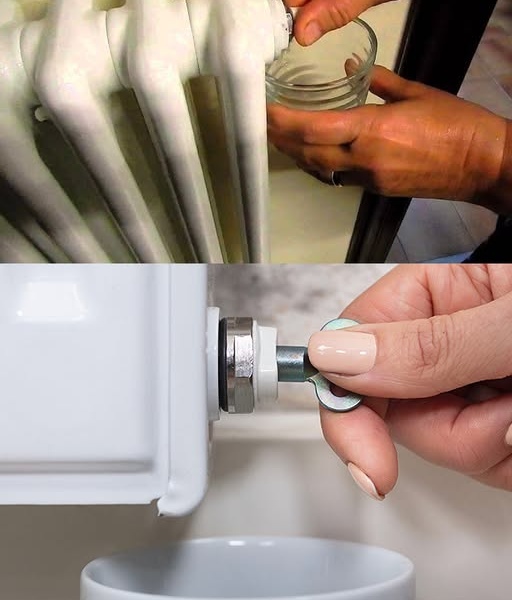
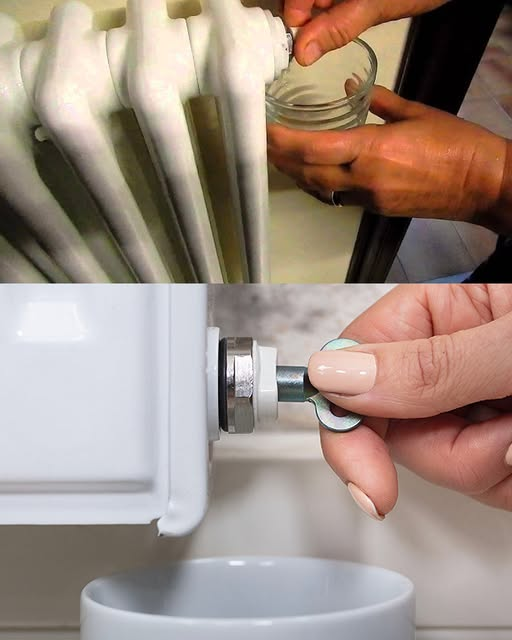
The bleed valve is located at the top of the radiator, usually at one end. It is a small screw that can be turned with a wrench.
Place the container under the valve
Before opening the valve, place the container under the radiator to collect any water that may leak out.
Open the bleed valve
Use the wrench to slowly turn the valve counterclockwise. At first, you will hear a hissing sound: this is the air escaping. As soon as the air gives way to water, immediately close the valve.
Check the water pressure
After bleeding all the radiators, check the system pressure. If it is too low, you will need to add water to the system through the fill valve.
Repeat the operation on all radiators
If your heating system is made up of multiple radiators, repeat the procedure on each individual radiator. Start with the radiator furthest from the boiler and proceed towards the one closest to it.
Helpful tips for a good drain cleaning
- After bleeding, if the water pressure is too low, the system will not work properly. Consult your boiler manual to find out what the ideal pressure should be.
- Avoid opening the valve too much, to avoid damaging it. A few turns are enough to let the air out.
- A faulty wrench can damage the valve. If your wrench is too small or awkward to use, consider purchasing a new one.
What to do if the problem persists
If, despite bleeding, your radiators still do not heat properly, the problem may be more complex. Here are some possible causes:
Water Leaks : If you notice leaks from your radiators or boiler, it is important to call a professional to check the system.
Blockage in the system : There may be a blockage in the system, which requires the intervention of a specialized technician.
Boiler Problems : If your boiler isn’t working properly, your entire system may not heat as well as it should.