
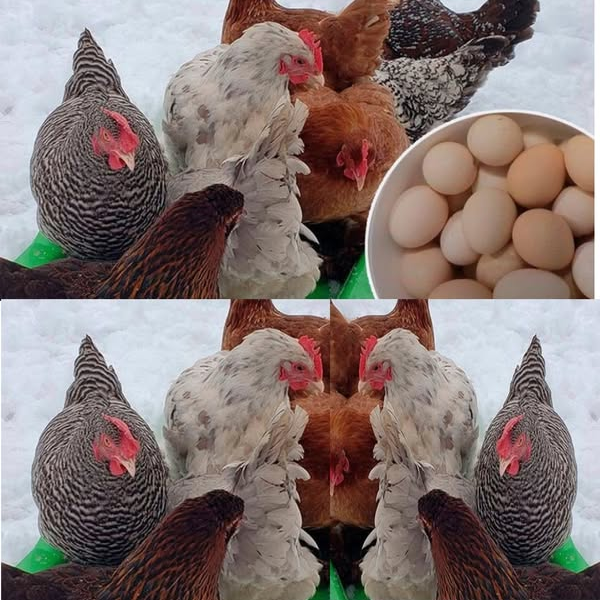
In winter, egg production in chickens can decrease considerably due to factors such as lack of light, stress and an inadequate diet. However, with some simple and effective measures, you can help your chickens to continue laying eggs even in the coldest months. Here’s how to do it.
Index
- 1. Provide Adequate Lighting
- 2. Provide a Balanced and Nutrient-Rich Diet
- 3. Minimize Chicken Stress
- 4. Keep the Chicken Coop Warm and Comfortable
- 5. Supports the Feather Molting Process
- Additional Tips for Keeping Chickens Healthy in Winter:
- Winter Diet Variations:
- Productive Chickens All Year Round
- Provide Adequate Lighting
One of the main factors affecting egg production in winter is the lack of sunlight. Hens need at least 16 hours of light per day to maintain a healthy egg-laying cycle.
Tips to improve lighting:
Use energy-efficient LED bulbs or rechargeable flashlights to supplement natural light.
Place light sources so that they illuminate the entire chicken coop evenly.
Set artificial lighting on a timer to ensure your chickens receive the right amount of light each day.
Additional tip: Soft, constant light is better than bright light. Avoid sudden changes that can alter the birds’ natural cycle.
- Provide a Balanced and Nutrient-Rich Diet
Feeding is key to keeping chickens healthy and productive during the winter. They need a diet rich in protein and carbohydrates to provide the energy needed to lay eggs.
Recommended foods for chickens in winter:
Fresh vegetables such as beet greens, carrots and cabbage.
Energy-dense grains such as corn, wheat and sunflower seeds.
Protein supplements such as soy flour or dehydrated insects.
Vitamin supplements available at farm stores to strengthen your immune system.
Tip: Make sure your chickens always have access to clean water and that it does not freeze. You can use heated waterers to prevent the water from freezing.
- Minimize Chicken Stress
Stress is another important factor that reduces egg production. A calm environment and sufficient space are essential for hens to feel comfortable and productive.
Recommendations to reduce stress:
Provide 1 square meter for every 5 chickens .
If space is limited, consider dividing them into two coops to avoid overcrowding.
Protect your chicken coop from predators by installing wire mesh on doors and windows.
Bonus tip: Chickens need a safe place to sleep. Make sure the coop is tightly closed at night to protect them from animals such as foxes or weasels.
- Keep the Chicken Coop Warm and Comfortable
Chickens can tolerate cold weather, but their egg production decreases if the temperature drops too low. The chicken coop should be kept warm and well insulated.
How to keep the chicken coop warm in winter:
Insulate the walls and floor of the chicken coop with materials such as straw, wood or insulation panels.
Avoid drafts , but make sure the chicken coop is well ventilated to prevent moisture build-up.
Use straw bedding or wood chips to keep the soil warm and dry.
Tip: If you live in a very cold area, consider installing a safe electric heater designed specifically for chicken coops.
- Supports the Molting Process
During the winter, many hens go through a molting process, in which they replace their old feathers with new ones. During this period, hens stop laying eggs because all their energy is spent on regenerating their feathers.
Tips to help chickens during molting:
Increase the amount of protein in your diet . Sunflower seeds, corn, and dried insects are all excellent options.
Offer special molting supplements , available at farm stores, to speed up the process.
Provide additional shelters in the chicken coop so that chickens can rest and recover without being disturbed.
Additional advice: The molt usually lasts between 8 and 12 weeks. During this period, it is important not to force the laying of eggs. Once the molt is over, the hens will be productive again.
Additional Tips for Keeping Chickens Healthy in Winter:
Check the health of your chickens regularly: Make sure they don’t have any symptoms of illness such as watery eyes, ruffled feathers or lack of appetite.
Provide entertainment in the coop: Chickens can get bored during the winter. Provide items such as twigs, calcium blocks or forage balls to keep them active.
Clean the chicken coop regularly: A clean, dry environment reduces the risk of disease and improves the well-being of the chickens.
Winter Diet Variations:
If you want to vary your chickens’ diet during the winter, here are some ideas:
Warm Mashed Vegetables: Boil some vegetables and feed them the mashed vegetables warm to help them stay warm.
Homemade Grain Mix: Make a grain mix with corn, barley, oats and sunflower seeds to provide extra energy.
Bread soaked in milk: An occasional snack that they will love and will provide them with extra calories.
Productive Chickens All Year Round
With the right measures, your chickens can continue to produce eggs even in the coldest months of the year. Provide adequate lighting, make sure they have a balanced diet, and reduce stress to keep them healthy and happy. With a little care and attention, you’ll enjoy fresh eggs all winter long. Your chickens will thank you!