
The Plumber’s Secret: Discover the foolproof method for cleaning drain pipes
Drain pipes are an essential part of any home, but they often go unnoticed until a problem arises. A clogged drain is not only annoying, but it can also cause bad odors, damage to the pipes, and even flooding if not treated in time. Fortunately, you don’t always need to resort to harsh chemicals or call a plumber to solve the problem. There are natural, inexpensive, and effective methods you can use at home to keep your pipes clean and free of clogs. In this article, we’ll reveal the plumbers’ secret to cleaning drain pipes and provide you with a complete guide to preventing and fixing this common problem.
Why do drain pipes get clogged?
Before tackling solutions, it’s important to understand the most common causes of clogged pipes. Knowing the source of the problem will help you prevent it and choose the most appropriate cleaning method.
- Accumulation of waste
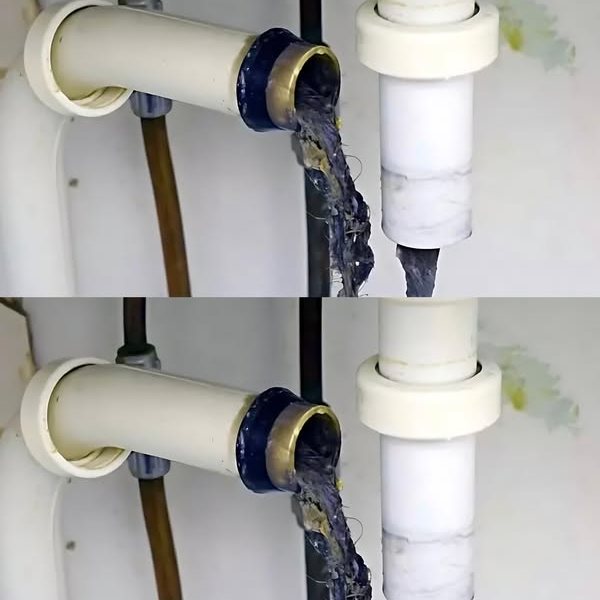
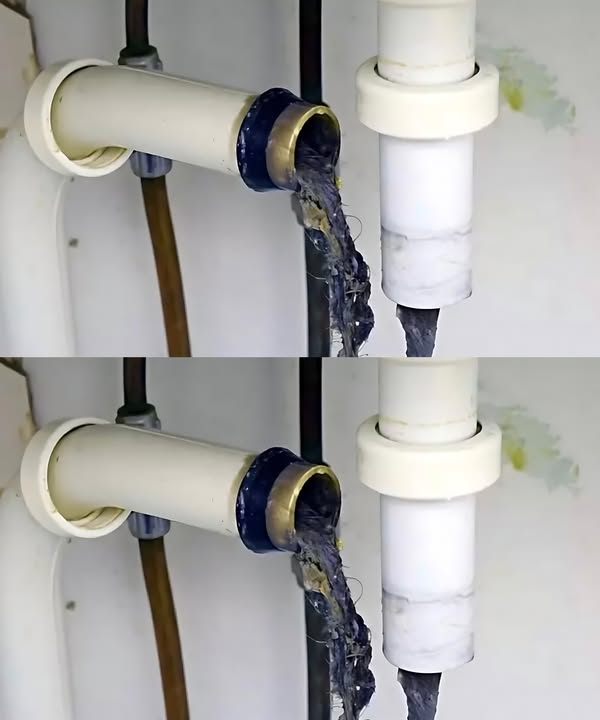
Debris buildup is one of the main causes of clogs. In the kitchen, food residue, oils, and grease can stick to the walls of pipes, especially when they cool and solidify. In the bathroom, hair, soap, and personal care products can form a mass that blocks the flow of water. This residue builds up over time, reducing the diameter of the pipes and making it difficult for water to pass through. - Lime deposits
In areas with hard water, it’s common for lime deposits to form in pipes. These deposits can narrow the opening of pipes and reduce water flow, eventually leading to blockages. Lime is especially problematic in areas where the water has a high mineral content, such as calcium and magnesium.
- Foreign objects
Sometimes clogs are caused by objects that shouldn’t be in your pipes. Wet wipes, diapers, toothbrushes, and other items can cause serious blockages if they’re flushed down the toilet or sink. These objects don’t break down easily and can get stuck in your pipes, preventing the normal flow of water. - Lack of maintenance
Lack of regular maintenance can also contribute to clogs. If you don’t clean your pipes regularly, debris and dirt will build up over time, making it difficult for water to flow. Preventative maintenance is key to avoiding bigger problems down the road.
The Plumber’s Secret: Natural Methods for Cleaning Pipes
Professional plumbers know that it is not always necessary to resort to expensive chemicals or specialized tools to clean pipes. In fact, many of them recommend natural methods that are just as effective and much safer for the environment and pipes. Below are some of the most popular remedies:
- Hot water and salt
This is one of the simplest and most effective methods for cleaning pipes. Salt acts as a mild abrasive that helps loosen debris stuck to the walls of the pipes, while hot water dissolves grease and washes away debris.
How to do it:
Bring a large pot of water to a boil.
Add half a cup of coarse salt to the boiling water.
Pour the mixture slowly down the drain.
Leave it on for 10-15 minutes and then rinse with cold water.
This method is ideal for cleaning kitchen pipes, where grease and food debris are common.
- Baking soda and vinegar
This method is ideal for removing lime deposits and organic residues. The chemical reaction between baking soda and vinegar creates a foam that breaks down dirt and disinfects the pipes.
How to do it:
Pour a cup of baking soda down the drain.
Next, add a cup of white vinegar.
Cover the drain and let the mixture sit for 30 minutes to an hour.
Finally, rinse with hot water.
This method not only cleans the pipes, but also neutralizes bad odors.
- Salt and lemon
Lemon is an excellent natural disinfectant and its acidity helps break down residue. Combined with salt, this method is perfect for cleaning and deodorizing pipes.
How to do it:
Mix half a cup of salt with the juice of one lemon.
Pour the mixture down the drain and let it sit for 20-30 minutes.
Rinse with hot water.
This method is especially useful in the bathroom, where soap scum and hair are common.
- Baking soda and salt
This combination is especially effective at clearing minor clogs and preventing debris buildup.
How to do it:
Mix one cup of baking soda with half a cup of salt.
Pour the mixture down the drain and let it sit for several hours or overnight.
Rinse with hot water.
This method is ideal for regular pipe maintenance.
- Boiling water
Boiling water is a quick and easy method to loosen and remove small clogs.
How to do it:
Bring a large pot of water to a boil.
Pour the boiling water slowly down the drain.
Repeat the process if necessary.
This method is effective for kitchen and bathroom pipes, especially when combined with other natural methods.
- Using a hose
For more stubborn clogs, you can use a hose to clear the pipes. This method should be done carefully to avoid damaging the pipes.
How to do it:
Connect a hose to a nearby faucet.
Insert the hose into the drain and turn on the water at moderate pressure.
Move the hose back and forth to clear the clog.
This method is useful for more severe clogs, but should be used with caution to avoid damage.
Tips to prevent clogged pipes
In addition to cleaning your pipes regularly, there are several steps you can take to prevent clogs and keep your drains in good condition:
Avoid pouring grease down the drain: Grease is one of the main culprits of clogs. Instead, collect the grease in a container and dispose of it in the trash.
Use strainers on your drains: Place strainers on your sink and bathroom drains to catch food scraps, hair, and other debris.
Clean regularly with natural methods: Once a week, use one of the natural methods mentioned above to keep your pipes clean.
Don’t overuse chemicals: Chemical cleaners can damage pipes and be harmful to the environment. Opt for natural solutions whenever possible.
Educate your family: Make sure everyone in your home knows what can and cannot be flushed down the drain. This includes avoiding flushing wet wipes, diapers, and other items that can cause clogs.
When to call a professional plumber?
Although natural methods are effective in most cases, there are situations when it is necessary to call a professional plumber. Here’s when it’s time to seek expert help:
Persistent clogs: If you have tried several methods and the clog persists, you may need professional help.
Bad Odors: If you notice persistent bad odors coming from your pipes, it could be a sign of a more serious problem that requires professional attention.
Reduced water flow: If the water flow in your pipes has been significantly reduced, there may be a serious blockage that needs to be cleared with specialized tools.
Leaks or damage to pipes: If you suspect a leak or damage to your pipes, it is important to call a plumber immediately to avoid further problems.
Conclusion
Keeping your drain pipes clean and free of clogs is essential to the smooth running of your home. With the natural methods we’ve shared with you, you can prevent and resolve many common problems without spending money on chemicals or professional services. However, it’s important to remember that some situations may require the intervention of an expert plumber.
By following these tips and taking a preventative approach, you can enjoy clean, functional pipes for a long time. So the next time you’re faced with a clogged drain, remember the plumber’s secret and put these natural remedies to use. Your home and your wallet will thank you!