
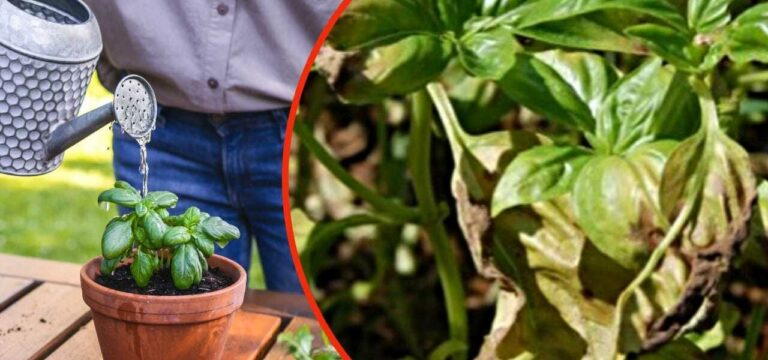
Basil is one of the essential aromatic plants to have on your windowsill. Learn when not to water it.
Especially in summer, basil is the star of fresh dishes thanks to its sweet and delicate aroma.
Basil: The Ultimate Aromatic Plant
Who wouldn’t love a basil plant on their windowsill? In fact, many people already have one, along with other aromatic plants that can easily be used in the kitchen. It’s impossible to think of canned tomatoes without the typical basil leaf inside, or of Margherita pizza. Basil is one of the aromatic plants inherent in Italian culinary culture.
Basil is one of the aromatic plants inherent in Italian culinary culture, so much so that it is consumed in large quantities, especially in summer, to create quick yet tasty and anti-sulfur dishes, such as the essential salads. Growing basil is particularly simple. Furthermore, having a basil plant on the windowsill or balcony helps keep mosquitoes away. However, there are a few precautions to take to keep the plant healthy and thriving.
When to water?
The basil plant should be placed in a well-ventilated area, but not in direct sunlight. The green leaves of basil are not always viable. They can sometimes turn black or yellow, but worse, they can rot, as can the entire plant. The longevity and health of the plant often depend on watering.
In hot weather, the plant needs a lot of water: about two waterings per day. To know when the plant needs water, simply touch the soil and check if it is dry or wet. If the former, you will need to water it.
But be careful. If the leaves start to turn black or rot, the plant may have been overwatered and is dying. The solution is to expose it to the sun to dry it out. You can also use the mulching method, used in agriculture, by placing leaves or cork on the soil.
If you think it’s too late and the basil plant is already dying, simply prune it back, leaving only the nodes. It is from these nodes that new leaves will grow.
What if you have to go on vacation? If it’s only for a few days, you can use a very economical method: the upside-down bottle method. On the other hand, if you’re going away for a longer period, you can use drip irrigation methods, which, in many cases, are solar-powered.